Some household problems are inconvenient, while others can damage your property within minutes. A small stain on the ceiling, a slow-draining sink, or a faint musty smell might not seem serious at first, but these signs can point to a larger issue developing behind the scenes. Knowing when to act quickly can help protect your home, reduce repair costs, and keep your family safe.
The challenge for many homeowners is deciding whether a problem can wait or needs immediate attention. Not every issue requires urgent service, but certain warning signs should never be ignored. Water spreading across the floor, wastewater backing up into tubs or showers, a sudden loss of water access, or visible damage near walls and ceilings can all indicate a situation that needs fast action.
This guide explains how to recognize serious home repair problems, what steps to take before help arrives, and how to avoid making the situation worse. The goal is to help you stay calm, respond safely, and know when professional support is the right choice.
Learn Which Problems Need Immediate Action

One of the most helpful things a homeowner can do is learn the difference between routine maintenance and a true emergency. A dripping faucet, for example, may be annoying and wasteful, but it usually does not require same-day attention unless the leak is getting worse or damaging nearby materials. On the other hand, water pouring from a wall, ceiling, pipe, appliance line, or fixture should be treated as urgent.
Many plumbing problems become emergencies because they affect safety, sanitation, or the structure of the home. If water is spreading quickly, soaking drywall, reaching electrical outlets, or pooling near major appliances, the situation should not be ignored. Even if the visible damage looks minor, moisture can travel behind cabinets, under flooring, and inside wall cavities.
Homeowners should also take the location of the issue into account. A leak in a garage may be easier to contain than water entering a finished bedroom, kitchen, or second-floor ceiling. Damage above living areas can spread quickly and affect insulation, lighting, flooring, and framing.
When in doubt, it is better to speak with qualified plumbers rather than guessing. A professional can help determine whether the issue is urgent, what immediate steps are safest, and whether the home needs a full inspection before normal use continues.
Stop the Water Before It Spreads
The first step in many water-related emergencies is stopping the flow at the source. Every homeowner should know where the main shutoff valve is located before a problem happens. It may be near the water meter, in a basement, outside along the side of the home, in a garage, or near the front foundation wall. If you are not sure where it is, find it now and make sure everyone in the household knows how to use it.
If water is coming from a specific fixture, such as a toilet, sink, or appliance, try shutting off the nearby valve first. Toilets usually have a small valve behind them. Sinks often have valves under the cabinet. Washing machines usually have valves behind the unit. If those do not stop the water, turn off the main valve.
Fast action matters most when a burst pipe repair may be needed. A damaged line can release a large amount of water in a short period, especially if it is under pressure. After shutting off the water, move valuables away from the area, place towels or buckets where safe, and take photos for documentation.
Avoid opening walls or cutting into materials unless there is an immediate safety need. Wet drywall, insulation, and flooring may require professional inspection, especially if water has been present for more than a short time.
Watch for Hidden Damage in Walls and Ceilings
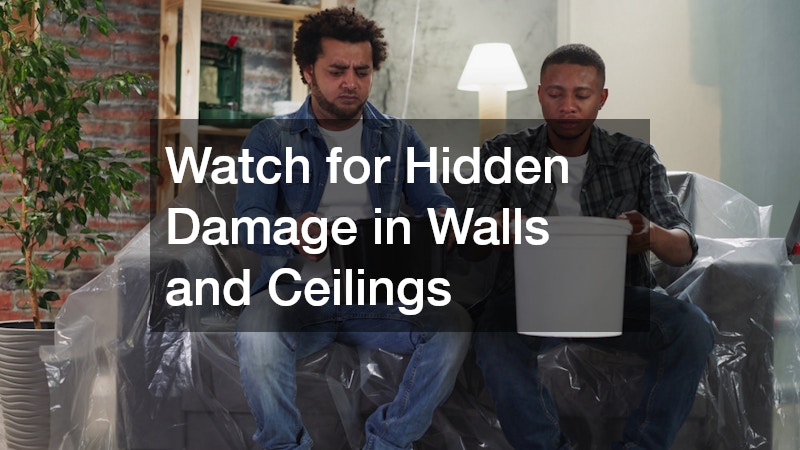
Not all serious problems are obvious right away. Some of the most expensive issues begin behind walls, above ceilings, under cabinets, or below floors. By the time water becomes visible, the problem may have already affected nearby materials.
Common warning signs include bubbling paint, peeling wallpaper, warped baseboards, soft drywall, stained ceilings, buckled flooring, and musty odors. You may also notice a sudden increase in your water bill, the sound of water running when fixtures are off, or damp areas that never fully dry. These signs should be taken seriously, especially if they appear near bathrooms, kitchens, laundry rooms, water heaters, or upstairs fixtures.
A hidden leak can also lead to mold growth if moisture remains trapped. Even a slow drip can damage wood, insulation, and drywall over time. If you suspect hidden moisture, avoid repeatedly using the fixture near the affected area until the source is identified.
A leak repair company can use specialized tools to locate the issue without unnecessary damage. This may include moisture meters, pressure testing, or camera inspection depending on the situation. The sooner the source is found, the better your chances of limiting damage and avoiding larger repairs.
Treat Wastewater Backups as a Serious Hazard
Wastewater entering the home should always be treated as urgent. This kind of backup can expose your household to bacteria, unpleasant odors, and contaminated surfaces. It may come up through tubs, showers, toilets, laundry drains, or floor drains, especially when water is used elsewhere in the home.
If this happens, stop using water immediately. Do not flush toilets, run sinks, start the dishwasher, use the washing machine, or take showers until the issue has been inspected. Continuing to send water into the system can make the backup worse and spread contamination to more areas.
Several warning signs may appear before a full backup occurs. These include gurgling sounds from toilets or drains, water rising in one fixture when another is used, repeated clogs, foul smells, or slow drainage throughout the home. If more than one fixture is affected, the problem may be deeper than a simple surface clog.
In some cases, sewer pipe repair may be necessary when underground lines are cracked, collapsed, blocked by roots, or damaged by age. Because these problems can affect sanitation and property safety, homeowners should not try to solve them with basic plunging or chemical products.
Pay Attention When Several Fixtures Slow Down
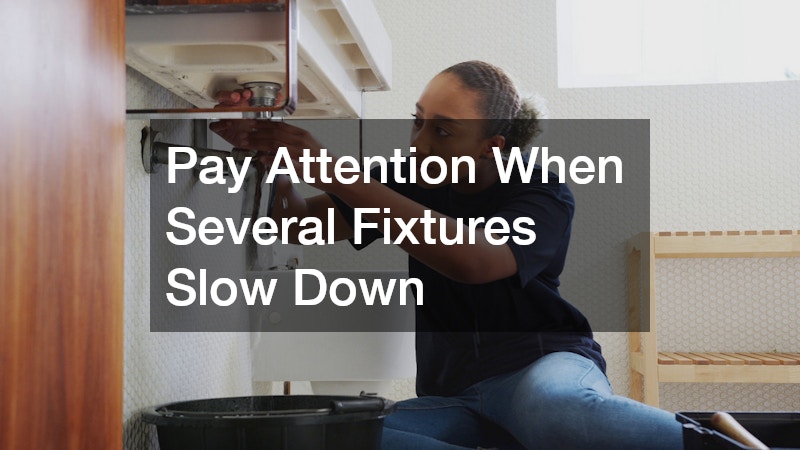
A single slow sink or shower may be caused by hair, soap residue, grease, or debris near the drain opening. However, when multiple fixtures slow down at the same time, the issue may involve a larger blockage. This is especially true if toilets gurgle, tubs fill with dirty water, or drains give off strong odors.
Start by identifying how widespread the problem is. If only one bathroom sink is slow, the issue may be local. If the kitchen sink, laundry area, toilets, and showers are all affected, stop using water until the system is checked. Widespread drainage problems can quickly turn into backups if ignored.
Many homeowners reach for chemical cleaners first, but this can create additional problems. Harsh products may damage older pipes, fail to clear the blockage completely, or create safety risks for anyone who later works on the line. They can also give a false sense of progress if water temporarily drains but the underlying problem remains.
A professional drain cleaning service is often the safer choice when clogs return, affect multiple areas, or involve unpleasant smells. Proper cleaning can remove buildup more thoroughly and help determine whether the issue is isolated or part of a larger system problem.
Know When Stronger Clearing Methods Are Needed
Some blockages are too stubborn for basic tools. Grease, mineral buildup, sludge, tree roots, and compacted debris can narrow the inside of a line until water can no longer move freely. When clogs keep coming back even after basic clearing, the blockage may be deeper or more severe than it appears.
Signs of a serious buildup include frequent backups, slow drains throughout the house, gurgling sounds, and water that drains normally for a short time before slowing again. These recurring symptoms often mean that only part of the blockage was removed, leaving the rest behind to catch more debris.
Hydro jetting can be useful in certain situations because it uses high-pressure water to clean the inside of the line more thoroughly. However, it is not the right solution for every home. Older, fragile, or damaged lines may need inspection first to make sure they can handle the process.
This is why a camera inspection is often recommended before aggressive cleaning methods are used. It allows the technician to see whether the line is blocked, cracked, offset, invaded by roots, or affected by another problem. Choosing the right method helps solve the issue without creating unnecessary damage.
Act Quickly When Your Home Loses Water Access
A sudden loss of water can be more than an inconvenience. It can disrupt cooking, cleaning, bathing, sanitation, and basic household needs. In homes with children, older adults, or medical needs, the situation can become urgent more quickly.
Before assuming the problem is inside your home, check whether neighbors are also affected. If nearby homes have no water, the issue may be related to municipal service or local maintenance. You can also check notices from your water provider when available.
If the issue appears limited to your home, look for other warning signs. Low pressure, no water from certain fixtures, wet areas in the yard, unusual sounds, or water stains may point to a damaged line or hidden leak. A sudden pressure drop can also occur when a major leak is allowing water to escape before it reaches fixtures.
Emergency plumbers should be contacted when the loss of water is paired with leaking, flooding, strange noises, sewage concerns, or signs of property damage. They can help determine whether the issue is inside the home, underground, or connected to a fixture, appliance, or main line.
Recognize When Old Lines Are Failing
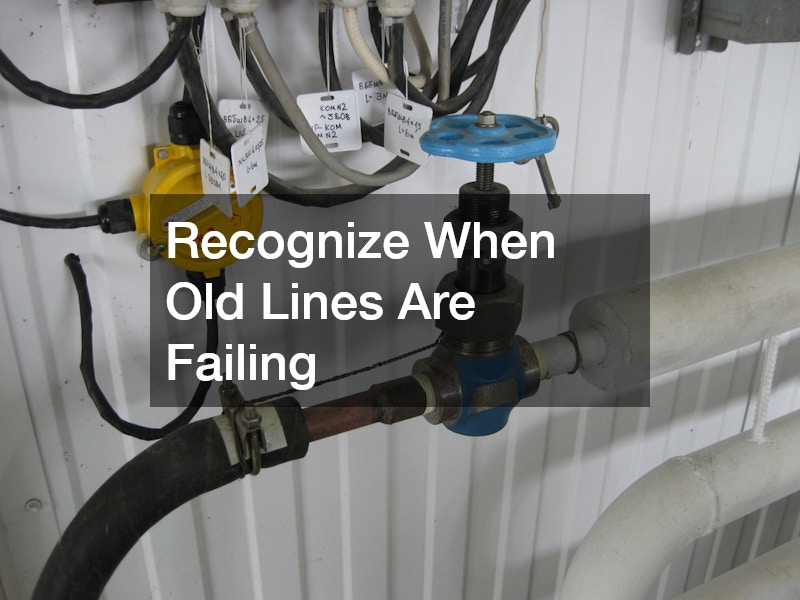
Older homes often have systems that worked well for years but are now showing signs of wear. Materials can corrode, weaken, scale internally, or develop repeated leaks. A single repair may solve one problem, but recurring issues can suggest that the system as a whole is reaching the end of its useful life.
Common signs include frequent leaks, rusty or discolored water, low water pressure, visible corrosion, odd-tasting water, and repeated repairs in different areas of the home. If repairs are becoming more frequent, it may be time to look beyond short-term fixes.
Repiping may be worth considering when multiple lines are failing or when old materials are causing ongoing problems. While it is a larger project than a simple repair, it can reduce the risk of repeated emergencies and improve long-term reliability.
Home repiping can also be helpful during major remodeling projects, especially if walls or floors are already being opened. Planning upgrades before a disaster happens can give homeowners more control over timing, budget, and material choices.
Avoid Quick Fixes That Create Bigger Problems
During an emergency, it is natural to want to solve the problem immediately. However, some DIY attempts can make the damage worse. The safest first steps are usually simple: shut off the water, keep people away from unsafe areas, move valuables, document the damage, and avoid using affected fixtures.
Be careful with temporary patches. Tape, clamps, towels, buckets, and sealants may help control a minor issue for a short time, but they should not be treated as permanent repairs. If water is under pressure, even a small failure can lead to sudden flooding.
Avoid overtightening fittings or forcing parts that are already damaged. This can crack connections, strip threads, or cause a weak area to fail completely. Also avoid cutting into walls or floors unless absolutely necessary for safety. Opening materials without knowing where lines are located can increase damage and repair costs.
Chemical drain cleaners should also be used cautiously, especially when a clog is severe or recurring. If the product does not work, it may sit in the line and create hazards. A better approach is to stop using the affected area and get the cause properly diagnosed.
Protect Your Home by Acting at the Right Time
Home repair emergencies are stressful, but knowing what to do can make them easier to manage. The most important steps are to stay calm, stop active damage when safe, avoid risky temporary fixes, and get qualified help when the issue affects safety, sanitation, water access, or the structure of your home.
Small warning signs should not be ignored simply because they seem manageable. Stains, odors, slow drainage, reduced pressure, and repeated leaks can all point to bigger problems. Acting early can prevent damage from spreading and give you more repair options.
By learning the warning signs and preparing ahead of time, homeowners can respond with confidence. A clear plan, fast action, and the right professional support can help protect your property and reduce the cost and stress of unexpected home repairs.