- Foundation problems often result from soil movement, poor drainage, or nearby tree roots.
- Early warning signs include cracks in walls or floors, uneven floors, and doors or windows that stick.
- Common home foundation repairs include piering, slab jacking, wall anchors, and crack injection.
- Piering is ideal for severe settlement and long-term structural stabilization.
- Slab jacking restores uneven concrete slabs by filling voids and leveling the foundation.
- Minor cracks can often be repaired with epoxy or polyurethane injections to prevent water damage.
- Regular inspections and proper drainage help prevent future foundation issues.
A home’s foundation is one of the most important structural components of any property. It supports the entire building and keeps the structure stable over time. When foundation problems arise, they can lead to serious issues such as cracked walls, uneven floors, or doors that no longer close properly. Understanding how foundation repairs work can help homeowners address these problems before they worsen.
Foundation damage can occur for many reasons, including soil movement, moisture imbalance, or poor construction practices. While these issues may start small, they often become more expensive if ignored. Learning about the different types of repairs available allows homeowners to make informed decisions and maintain the long-term safety of their homes.
This guide explains the most common types of foundation repairs and when each method is typically needed. By recognizing early warning signs and understanding available solutions, homeowners can better protect their investment and avoid costly structural damage.
Why Do Foundations Develop Problems Over Time?
Foundations are designed to last for decades, but they are not immune to environmental stress and natural wear. Over time, several factors can weaken the structure and lead to foundation movement or damage. Recognizing these causes is the first step toward identifying when repairs may be necessary.
Understanding why foundation problems occur helps homeowners prevent serious structural damage. Small issues often begin with subtle changes in the soil beneath the house. When these conditions are left unaddressed, they can eventually compromise the stability of the entire structure.
Soil Movement and Expansion
Soil plays a major role in the stability of a home’s foundation. Some soils expand when wet and shrink during dry conditions, which can cause the ground to shift. This movement places pressure on the foundation and can lead to cracks or uneven settling.
Homes built on expansive clay soil are particularly vulnerable to these changes. As moisture levels fluctuate, the soil expands and contracts repeatedly. Over time, this cycle can weaken the foundation and create structural instability.
Poor Drainage Around the Home
Water accumulation near the foundation is another common cause of damage. Improper drainage systems allow rainwater to collect around the base of the home. Excess moisture softens the soil and increases the likelihood of foundation settlement.
Clogged gutters, poorly designed landscaping, or inadequate grading can all contribute to water pooling near the house. Addressing drainage issues early can prevent costly repairs later.
Tree Roots and Vegetation
Large trees growing near a home may also affect foundation stability. Tree roots can absorb large amounts of moisture from the soil, causing the ground to dry out and shrink. This soil movement can lead to foundation shifting.
In some cases, roots may even push against foundation walls as they expand. Maintaining a proper distance between trees and the home helps minimize these risks.
What Are the Warning Signs That Your Foundation Needs Repair?
Foundation problems rarely appear suddenly. Most issues develop gradually and reveal themselves through visible signs inside or outside the home. Recognizing these early indicators allows homeowners to seek professional evaluation before the damage becomes severe.
Many homeowners overlook small warning signs, assuming they are normal settling. However, ignoring these symptoms can lead to larger structural problems and more expensive repairs. Understanding the common signs of foundation damage can help homeowners take action sooner.
Cracks in Walls or Floors
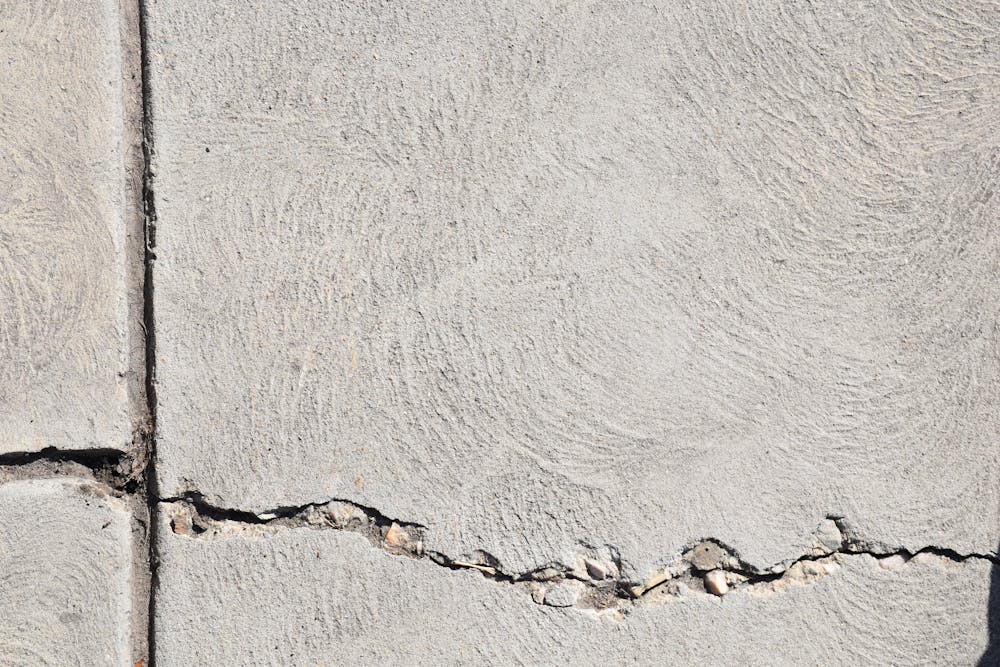
Cracks are one of the most common indicators of foundation movement. These cracks may appear in drywall, brick walls, ceilings, or concrete floors. While small hairline cracks are often harmless, larger cracks may indicate structural stress.
Horizontal cracks or stair-step cracks in brickwork can signal significant foundation shifting. If cracks continue to grow or appear in multiple areas, professional inspection is recommended.
Uneven or Sloping Floors
Floors that slope or feel uneven underfoot can indicate that part of the foundation has settled. This uneven settling causes the structure above it to shift as well. Over time, the imbalance can worsen and affect multiple areas of the home.
Homeowners may notice furniture tilting or objects rolling across the floor. These subtle changes often indicate underlying structural movement.
Doors and Windows That Stick
Doors and windows that suddenly become difficult to open or close may signal foundation movement. When the structure shifts, door frames and window frames can become misaligned. This misalignment prevents them from functioning properly.
If multiple doors and windows begin sticking around the same time, foundation settlement may be the cause. Addressing the issue early can prevent additional structural distortion.
Common Types of Home Foundation Repairs
Home foundation repairs vary depending on the severity of the damage and the type of foundation involved. Contractors use different repair techniques to stabilize structures, correct settlement, and restore structural integrity. Choosing the right method depends on the underlying cause of the problem.
Understanding these repair options helps homeowners feel more confident when discussing solutions with professionals. While some repairs address minor cracks, others are designed to correct major structural movement. Each technique serves a specific purpose and is suited to particular foundation conditions.
Piering or Underpinning
Piering is one of the most widely used foundation repair methods. This technique involves installing steel or concrete piers deep into the ground beneath the foundation. The piers transfer the weight of the structure to stable soil layers below.
Underpinning helps lift and stabilize a sinking foundation. It is commonly used when homes experience significant settlement due to weak or shifting soil.
Slab Jacking (Mudjacking)
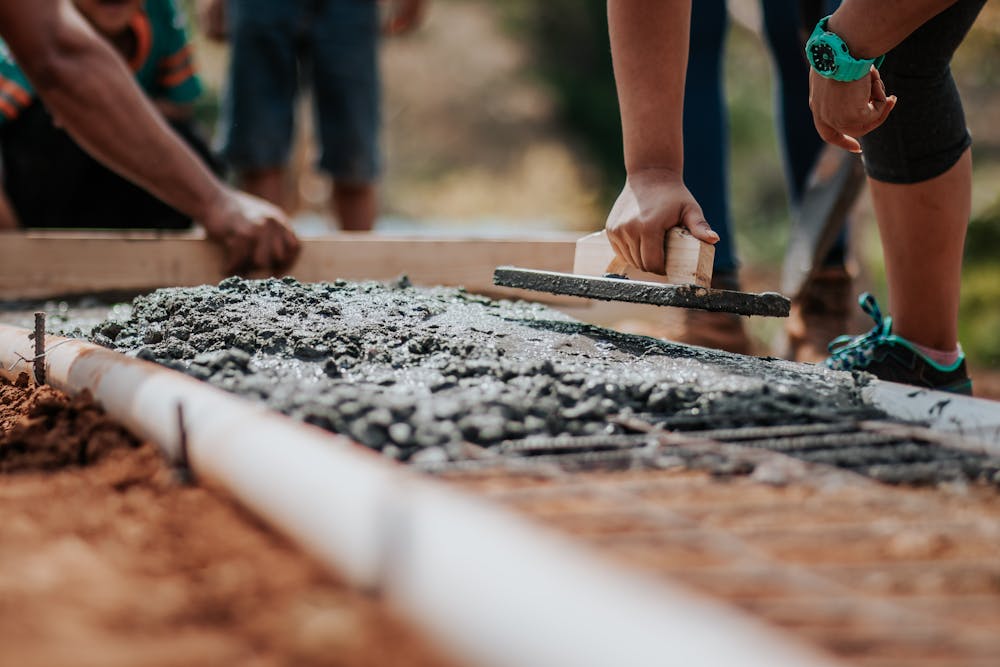
Slab jacking is often used to repair concrete slab foundations that have settled unevenly. In this method, a specialized mixture is injected beneath the concrete slab. The material fills empty spaces and gradually lifts the slab back to its original position.
This repair method is less invasive than some structural repairs. It is typically used for driveways, patios, and concrete floors that have sunk due to soil erosion.
Wall Anchors
Wall anchors are used to stabilize bowing or leaning basement walls. This repair involves installing anchors in the soil outside the foundation wall. Steel rods connect the anchors to wall plates inside the basement.
Once installed, the system gradually pulls the wall back into position. Wall anchors are effective for correcting damage caused by soil pressure or moisture buildup.
Crack Injection
Crack injection is commonly used to seal foundation cracks and prevent water infiltration. Contractors inject epoxy or polyurethane materials directly into the cracks. These materials expand and bond with the concrete to create a strong seal.
This method is typically used for minor structural cracks. While it does not correct major foundation movement, it helps protect the structure from further damage.
When Is Piering the Best Foundation Repair Solution?
Piering is often considered the most reliable solution for severe foundation settlement. This method provides long-term stability by transferring the home’s weight to deeper, more stable soil layers. Homes built on unstable soil conditions frequently require this type of repair.
Understanding when piering is necessary helps homeowners avoid temporary fixes that fail to address the root cause of the problem. While the process is more complex than minor repairs, it can permanently stabilize a shifting foundation.
Severe Foundation Settlement
Piering is commonly used when sections of the foundation sink significantly. This settlement occurs when the soil beneath the structure cannot support the building’s weight. As the soil compresses, the foundation begins to drop.
Installing piers beneath the affected areas lifts the structure and restores its level position. This repair method can correct a major structural imbalance.
Homes Built on Expansive Soil
Properties built on clay-heavy soil often experience repeated expansion and contraction. These soil movements place continuous pressure on the foundation. Over time, the structure may shift or settle unevenly.
Pier systems bypass unstable soil by anchoring the foundation to deeper layers. This approach provides long-term stability despite changing soil conditions.
Long-Term Structural Stabilization
Piering is often recommended when homeowners want a permanent solution. Unlike temporary repairs, piers provide structural support that can last for decades. This makes them ideal for addressing major foundation damage.
Although the installation process may take longer, the long-term benefits often outweigh the initial investment.
How Do Slab Foundation Repairs Work?
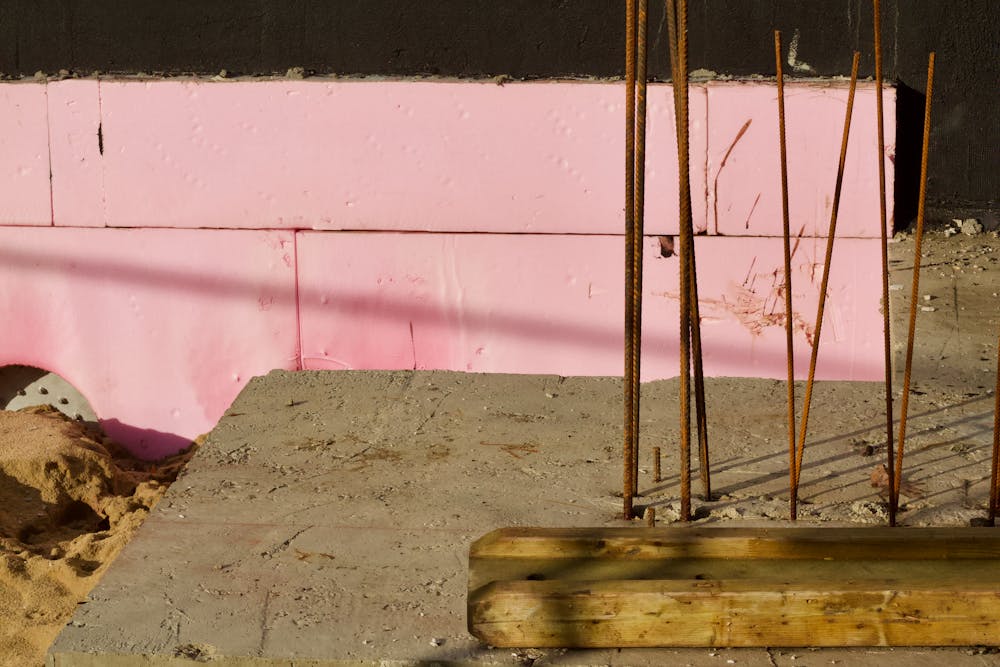
Slab foundations are common in many modern homes. While they are generally durable, they can still develop problems when the soil beneath them shifts or erodes. Slab foundation repairs focus on restoring the level position of the concrete and stabilizing the ground below.
Understanding how slab repairs work helps homeowners identify solutions for uneven concrete floors or sinking slabs. Many of these repairs are less invasive than full structural reconstruction. With the right approach, contractors can often restore stability without major excavation.
Filling Voids Beneath the Slab
One common issue with slab foundations is the formation of empty spaces beneath the concrete. These voids develop when soil washes away due to water runoff or erosion. Without proper support, the slab begins to sink.
Slab jacking addresses this problem by injecting materials beneath the concrete. The process fills gaps and restores the slab’s support system.
Lifting and Leveling the Concrete
Once the voids are filled, pressure from the injected material gently raises the slab back to its original level. This leveling process corrects uneven surfaces and prevents further settlement.
The repair is usually completed within a short timeframe. Many homeowners choose this method because it causes minimal disruption to their property.
Preventing Future Soil Erosion
After repairing the slab, contractors often recommend improving drainage around the home. Proper water management reduces the risk of soil erosion and prevents similar issues from occurring again.
Installing gutters, downspouts, and proper grading helps protect the foundation from future damage.
Can Minor Cracks Be Repaired Without Major Construction?
Not all foundation issues require large-scale structural repairs. In many cases, small cracks can be repaired quickly using specialized sealing techniques. These repairs focus on preventing moisture infiltration and maintaining the structural integrity of the concrete.
While minor cracks may appear harmless, they should still be addressed promptly. Water entering through these cracks can weaken the foundation over time. Sealing them early helps prevent more serious damage.
Epoxy Crack Injection
Epoxy injection is one of the most effective methods for repairing structural cracks. The epoxy material bonds tightly with the surrounding concrete, restoring strength to the damaged area.
This repair method is commonly used for cracks caused by minor settling. It reinforces the concrete while preventing water from entering.
Polyurethane Foam Sealing
Polyurethane injections are typically used to seal leaks rather than restore structural strength. The foam expands when injected, filling gaps and stopping water from passing through the crack.
This method is especially useful for basement foundations that experience occasional moisture problems.
Monitoring Future Structural Movement
Even after cracks are repaired, homeowners should continue monitoring the area. If new cracks appear or existing ones widen, it may indicate ongoing foundation movement.
Regular inspections help identify problems early and prevent further structural damage.
Final Thoughts: Choosing the Right Foundation Repair Method
Foundation damage can be stressful for homeowners, but understanding the available repair options makes the process easier to manage. Each type of repair method addresses specific structural problems, from minor cracks to major settlement issues. Selecting the right approach depends on identifying the root cause of the damage.
Working with experienced professionals is essential for accurate diagnosis and effective repair. A thorough inspection can determine whether the problem requires piering, slab leveling, crack sealing, or another solution. Early intervention often reduces repair costs and prevents additional structural complications.
By recognizing warning signs and understanding repair techniques, homeowners can take proactive steps to protect their property. Maintaining proper drainage, monitoring soil conditions, and addressing small issues early all contribute to long-term foundation stability. With the right care and timely repairs, a home’s foundation can remain strong and reliable for decades.