The roof over your head is your home’s first line of defense against the elements. Day in and day out, it bakes under the scorching summer sun, bears the weight of winter snow, and channels away torrential downpours. Because it does its job so quietly, it is easy to take it for granted—until you suddenly spot an ominous brown ring spreading across your living room ceiling, or find a handful of broken shingle pieces scattered across your front lawn.
When a roof shows signs of distress, a wave of anxiety usually follows. Every homeowner immediately wonders about the scope of the problem and, more importantly, the impact on their wallet. Is this a minor issue that can be patched up over an afternoon, or are you looking at a major construction project that requires tearing everything down to the rafters?
Making the wrong call can be incredibly costly. Opting for a quick fix on a fundamentally failing system will only waste money, as the leaks will inevitably return and cause hidden wood rot. On the other hand, rushing into a complete overhaul when a targeted fix would have bought you another five years of reliable protection can drain your savings unnecessarily.
To make the right choice, you need to understand how to read the subtle and not-so-subtle warning signs your property is throwing your way. This comprehensive guide will take you step-by-step through the diagnostics of roofing health, allowing you to confidently assess your situation and make the most practical, budget-friendly decision for your home.
Evaluating the Age and Lifespan of Your Shingles
Track Your Materials and Check the Neighborhood Trend
One of the most reliable indicators of whether you are facing a minor patch job or a major project is the calendar. Every roofing material has a definitive expiration date, and no amount of maintenance can make a material last forever. If your home has a standard architectural asphalt shingle roof, its functional lifespan typically spans between twenty and twenty-five years. Three-tab asphalt shingles, which are thinner and less durable, often begin to degrade after fifteen to eighteen years.
To determine where your home stands on this timeline, look through your home purchase closing documents, insurance policies, or local building permits to find the exact year the current materials were laid down. If you cannot find a paper trail, take a walk down your street and observe your neighbors. In many subdivisions, the houses were all built around the same time. If you notice a sudden influx of work trucks on your block, it is a strong signal that the homes in your area have reached the end of their design cycle.
When a roof reaches the tail end of its expected life, its structural integrity degrades exponentially. The chemical oils within the asphalt dry out, making the shingles brittle, inflexible, and increasingly susceptible to cracking under temperature swings. At this stage, attempting minor patches becomes a game of diminishing returns. Fixing a leak in one corner often triggers a new leak a few feet away because the surrounding material is simply too fragile to handle normal foot traffic or wind stress. Understanding when a full roof replacement is inevitable often comes down to tracking the calendar and recognizing when the materials have given all they can give. While routine maintenance prolongs life, standard roofing services can only patch old materials for so long before the underlying structure demands a fresh start.
Assessing Cosmetic Blips vs. Structural Damage
Look for Isolated Shingle Damage and Granule Loss in the Gutters
Determining the health of your roof requires a close look at the physical condition of the shingles. However, you must distinguish between isolated, superficial issues and widespread material failure. Widespread damage means the entire system is failing, while isolated issues can usually be resolved with targeted maintenance.
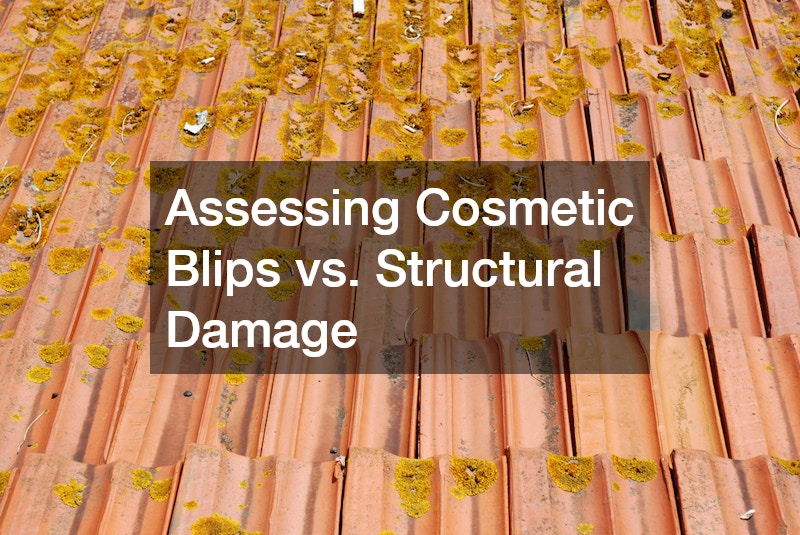
Start by examining the shape and texture of the shingles. When asphalt shingles reach the end of their usefulness, they undergo distinct physical distortions. You might notice cupping, where the edges curl upward, or clawing, where the middle bubbles up and the edges curl under. Both shapes leave the roof highly vulnerable to wind uplift and water infiltration. Furthermore, keep a close eye on your gutters during your seasonal cleanings. If you discover piles of heavy, dark sand filling your downspouts, your shingles are shedding their protective coating. These granules shield the underlying asphalt from destructive ultraviolet rays; without them, the sun will rapidly bake and crack the core material.
- When to choose localized fixes:
- A single tree branch fell and broke three or four shingles in a concentrated area.
- High winds lifted a couple of pieces on an otherwise flat, flexible, and healthy roof surface.
- The damage is restricted to a small, non-critical section, such as an isolated back porch slope.
- When to choose an overhaul:
- Curled, cracked, or missing shingles are visible across multiple slopes of the house.
- Shingles are so brittle that they snap like crackers when gently lifted.
- Bare, bald patches without granules are visible from the driveway on multiple sections.
If the damage is limited to a single valley or a few stray shingles blown away during a brief storm, booking a targeted roof repair service is usually the smartest financial move to keep your home dry without overspending. A trustworthy local roofer can quickly swap out a few missing shingles and seal the surrounding area without requiring you to clear out your savings account for a massive, unneeded project. Additionally, addressing these minor repairs promptly can prevent more extensive water damage and potential mold growth, saving you even more in the long run. By investing in quick fixes, you maintain the integrity of your roof and prolong its lifespan, ensuring your home remains a safe haven.
Inspecting the Attic and Internal Boundaries
Check for Light Leaks and Active Water Stains Indoors
The true story of your roof is rarely told from the outside alone. To get an accurate picture of what is going on, you need to grab a flashlight and head up into your attic space. An attic inspection allows you to see the underside of the roof decking, which is where water damage shows up long before it breaks through your drywall ceilings downstairs.
Choose a bright, sunny afternoon for your attic excursion and turn off your flashlight for a few moments once you are up there. Look up toward the peak of the roof and along the eaves. If you can see pinpricks of bright daylight poking through the boards, water can easily follow that exact same path during the next rainstorm. Next, turn your flashlight back on and carefully inspect the rafters, floor joists, and the underside of the plywood decking. Look for dark water stains, streaks that look like tears, active moisture, or patches of white, fuzzy mold.
Pay close attention to the structural integrity of the wood. If you notice areas where the plywood looks dry or feels soft and spongy when poked with a screwdriver, you are dealing with advanced wood rot. When structural sagging is detected in the attic, professional roofers must be called in immediately to prevent a catastrophic collapse or widespread mold infestation that can threaten your family’s health. Water that leaks through compromised valleys will quickly destroy the underlying support system, meaning an experienced roofing contractor will inspect the decking underneath to ensure the framing is still stable enough to hold weight. If the decking is rotted across multiple rooms, patching the top layer is no longer a viable option, as new shingles cannot be securely anchored to soft, decaying wood.
Analyzing Sudden Weather Impacts and Catastrophes

Document Hail Impact and Track Major Wind Events
Sometimes, the choice between fixing a portion of your roof or tearing it down completely is forced upon you by a single, severe weather event. Severe storms, straight-line winds, tornadoes, and hailstorms can instantly compromise a roof, turning an otherwise healthy structure into an immediate hazard.
Hail is particularly insidious because it causes damage that is difficult to see from the ground. When large hailstones strike an asphalt shingle, they create small, circular bruises. These impacts fracture the internal fiberglass mat and knock away the protective granules, exposing the raw asphalt underneath. Over the course of just a few months, the sun expands these micro-fractures, creating thousands of tiny pinhole leaks across your entire property. Wind storms cause a different kind of havoc, lifting entire sheets of shingles, breaking their adhesive seals, and folding them backward. If a storm rips away significant portions of your roof, leaving the black underlayment or bare wood exposed to the elements, you must act fast to prevent massive internal flooding.
- Essential storm response steps:
- Step outside safely after the storm passes and take high-resolution photos of your roof, yard, and any fallen debris.
- Collect any loose shingles or large chunks of foam and granules found on the lawn as physical evidence.
- Place temporary tarps over exposed areas to stop water from destroying your interior ceilings while you wait for assistance.
- Keep a detailed log of the exact date and time the storm occurred to support your insurance claim.
Acting quickly after a severe hailstorm ensures your paperwork is filed correctly for insurance roofing claims, minimizing your out-of-pocket expenses. It helps to have a certified residential roofing company provide an official inspection report for your adjuster, ensuring every bit of hidden storm impact is documented so you receive the full financial coverage you are entitled to under your policy.
Choosing the Right Professional for the Job

Gather Multiple Detailed Quotes and Verify Credentials
Once you have identified the physical signs on your roof, the final step in determining the right path forward involves getting professional evaluations. Even if you are fairly certain your roof only needs a few minor fixes, it is wise to consult with certified experts who can verify your findings and provide accurate, binding estimates for the work.
When seeking professional opinions, avoid hiring the first person who knocks on your door after a storm. Unscrupulous operators often travel through storm-damaged neighborhoods offering cheap, fast fixes, only to disappear once they collect your deposit. Instead, seek out established businesses with deep roots in your community, verifiable physical addresses, and positive local reviews. Request detailed, itemized quotes from multiple providers. A proper quote should break down the cost of labor, material types, disposal fees, permitting costs, and warranty specifics. Compare these quotes carefully; an incredibly low bid often indicates that the worker is skipping permits, lacks proper liability insurance, or plans to use substandard materials that will fail within a few years.
- Key elements to look for in a professional quote:
- Clear language detailing whether the project is a localized fix or a comprehensive tear-off.
- Specific brand manufacturers’ lines for the shingles and underlayment being utilized.
- A comprehensive safety and cleanup plan, including the use of magnetic sweeps to collect stray nails from your yard.
- A written workmanship warranty that covers the labor for at least two to five years, independent of the manufacturer’s material warranty.
To get a fair assessment, homeowners should at least get three competing roofing companies before making a final commitment. Be sure to ask if the estimate includes a complete tear-off or a flawless new roof installation from scratch, as this distinction dramatically impacts both the final price tag and the long-term durability of your home’s protection.
Conclusion
Determining whether your home requires a quick patch or a complete overhaul does not have to be a guessing game. By tracking the age of your materials, inspecting your shingles for widespread wear, and checking your attic for hidden leaks, you can easily determine the best path forward. Minor storm issues and isolated leaks can often be managed with targeted maintenance, keeping your costs low and extending the life of your existing system. However, when a roof is old, brittle, and suffering from widespread decay or structural sagging, investing in a fresh start is the only way to safeguard your property and your family. Take a proactive look at your roof today, check your attic after the next heavy rain, and work with trusted, verified local professionals to keep your home safe, dry, and secure for years to come.