During peak summer, a home should be a sanctuary of refreshing relief. However, many homeowners struggle with indoor heat and rising energy costs. As temperatures rise, cooling units often run non-stop, failing to provide true comfort. This issue usually arises from minor structural vulnerabilities, lack of routine maintenance, and outdated finishes, which allow cool air to escape and outdoor heat to enter.
Consistently cooling a home requires more than adjusting the thermostat. Effective home cooling involves a cohesive system where mechanical efficiency, insulation, and interior design operate together. If one element falters, the entire home is affected. For example, a high-efficiency cooling system can’t effectively lower temperatures if a drafty window leaks air. By understanding heat transfer in a living space, you can apply targeted improvements. These strategies will help reduce indoor temperatures, ease budget stress, and create a comfortable living environment during the hottest months.
Upgrade Aging Units for Maximum Efficiency
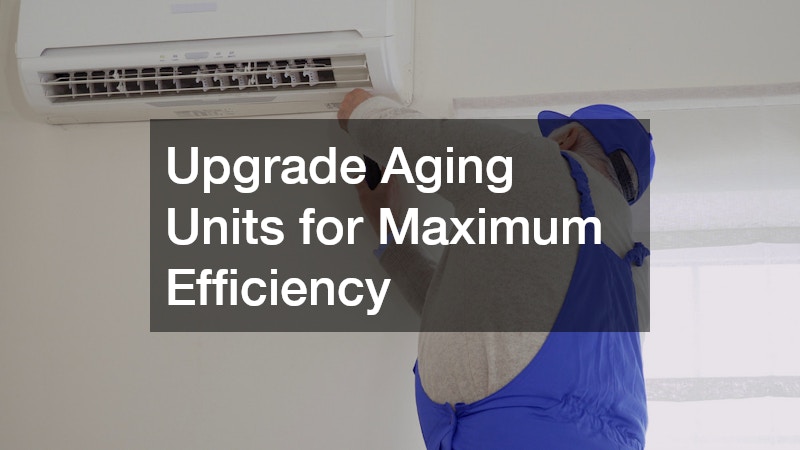
As cooling machinery ages, its internal components degrade, causing it to consume significantly more energy while producing less cooling output. Units manufactured over a decade ago operate on outdated efficiency standards that simply cannot compete with modern engineering. If a system requires frequent repairs, struggles to eliminate indoor humidity, or causes sudden spikes in your monthly utility statements, it may be time to evaluate the long-term financial benefits of full air conditioner replacements to restore home comfort.
- Examine the Seasonal Energy Efficiency Ratio (SEER2) rating of any prospective system, aiming for a minimum score of 15 to ensure optimal power conversion.
- Select a system that is precisely scaled to your property’s total volume, as an oversized unit will cycle on and off too rapidly, while an undersized unit will run indefinitely without reaching the target temperature.
- Incorporate variable-speed compressors that automatically adjust their output to match real-time cooling demands, drastically reducing daily wear and tear.
- Inquire about modern, eco-friendly refrigerants that offer superior thermodynamic properties while minimizing environmental impact compared to older chemical compounds.
Schedule Professional Pre-Season Tune-Ups
Before the first severe heatwave arrives, your entire climate control setup must undergo a comprehensive assessment to identify hidden vulnerabilities. Neglecting simple upkeep can lead to frozen evaporator coils, restricted airflow, or sudden system shutdowns during peak usage periods. Relying on an annual HVAC service ensures that a certified professional can clean sensitive internal elements, verify electrical connections, and calibrate your thermostat for flawless execution.
- Inspect and replace central air filters every thirty days during the high-demand summer season, utilizing a Minimum Efficiency Reporting Value (MERV) rating between 8 and 11 to balance filtration with unrestricted airflow.
- Clear a two-foot perimeter around the exterior condenser unit, removing invasive weeds, leaves, and accumulated dirt that block the heat rejection process.
- Straighten bent aluminum condenser fins using a specialized fin comb to maximize the surface area exposed to outdoor air circulation.
- Verify that the primary condensate drain line remains clear of algae and debris, preventing water backups that can damage interior walls and trigger automatic system shutdowns.
Inspect and Reflect Heat Away From Your Roof
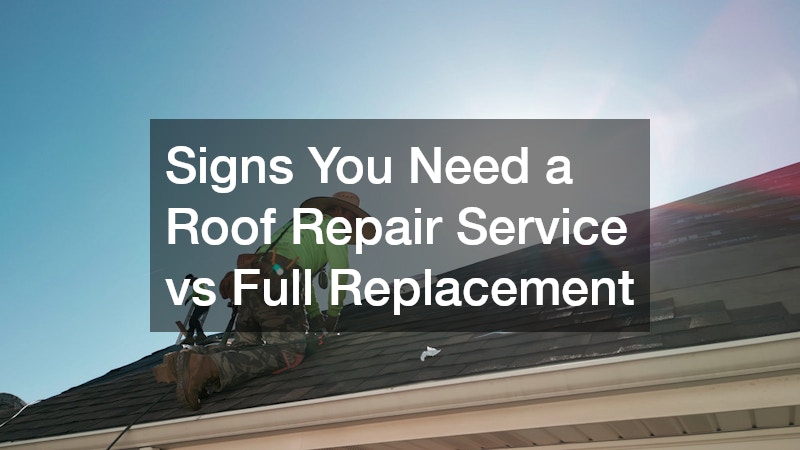
During a cloudless summer day, an unshaded roof can easily reach temperatures exceeding 150 degrees Fahrenheit. This intense heat accumulates in the attic space, acting as a massive radiator that pushes warmth downward through the ceiling into your bedrooms and living areas. Securing a professional roofing service can help identify missing insulation, restore damaged structural elements, and ensure that your attic possesses sufficient ventilation to exhaust trapped thermal energy before it alters your indoor climate.
- Inspect the attic floor to ensure an adequate depth of high-quality insulation, aiming for an R-value of 49 or higher to block downward heat migration.
- Examine intake soffit vents and exhaust ridge vents to guarantee they are completely free of dust, insulation blockages, or pest nests that restrict natural air currents.
- Consider applying a specialized reflective radiant barrier to the underside of the roof rafters, reflecting up to ninety percent of radiant heat away from the attic floor.
- Replace missing, cracked, or severely curled shingles immediately, as bare patches on a roof allow solar heat to conduct directly into the underlying wooden deck.
Seal Critical Gaps and Fix Drafty Panes

Windows represent the most significant source of thermal transfer within a standard residential structure. Old, degraded seals allow cooled air to steadily seep outside while pulling hot, humid air indoors, forcing your cooling systems to work twice as hard. Hiring a local window repair service can quickly restore the structural integrity of your glass fixtures, ensuring that seals remain airtight and frames prevent the intrusion of ambient summer humidity.
- Conduct a thorough draft audit by slowly moving a lit incense stick or a thin tissue along window frames on a breezy day to identify invisible air leaks.
- Apply high-grade exterior silicone caulk along all stationary joints where the window frame meets the exterior siding of the property.
- Replace brittle or flattened interior weatherstripping along the operational tracks of double-hung or casement windows to establish a tight physical seal when closed.
- Check for moisture or fogging between double-paned glass assemblies, which indicates a failed factory seal that has entirely compromised the window’s insulating value.
Upgrade Wall Insulation and External Siding
Exterior walls without proper insulation function as a thermal bridge, conducting outdoor heat directly into your drywall and interior living zones. If your current exterior cladding is cracked, warped, or deteriorating, it allows both moisture and heat to breach your home’s perimeter. Partnering with an experienced siding contractor allows you to install modern, insulated siding materials and advanced house wraps that reflect solar energy and dramatically improve your home’s overall thermal performance.
- Incorporate a continuous layer of rigid foam insulation directly beneath new exterior siding to eliminate thermal bridging through wooden wall studs.
- Select light-colored, highly reflective exterior materials that actively bounce sunlight away from the structure rather than absorbing it.
- Repair any structural punctures, splits, or loose seams in your existing exterior panels to prevent pockets of superheated air from becoming trapped against the house wrap.
- Ensure that proper flashing is installed around all structural transitions to maintain an unbroken moisture and thermal barrier along the entire facade.
Insulate the Garage to Block Adjacent Heat Transfer
An attached garage frequently behaves like a massive greenhouse, trapping immense amounts of solar heat behind wide, uninsulated doors. This trapped heat easily transfers through shared interior walls and the floors of bonus rooms located directly above the garage, severely disrupting the home’s temperature balance. Securing professional garage door services can help you upgrade to a heavily insulated door model and seal the entire perimeter to prevent this adjacent heat from invading your main living spaces.
- Choose a garage door featuring an R-value of 10 or greater, utilizing durable polyurethane or polystyrene core insulation to block external heat.
- Install a heavy-duty vinyl threshold seal along the garage floor to create a tight barrier against rising hot air and outdoor humidity.
- Apply flexible top and side weatherstripping to the garage door frame to eliminate wide gaps that allow external air currents to enter.
- Add high-density fiberglass insulation to the interior partition wall that divides the unconditioned garage space from your conditioned kitchen or living area.
Switch to Flooring Materials That Stay Cold to the Touch

Thick, heavy carpeting acts as a thermal blanket, trapping ambient warmth within a room and preventing the floor from helping to cool the indoor air. Upgrading your heavily trafficked rooms to modern vinyl flooring provides a smooth, dense surface that releases heat quickly and remains remarkably cool underfoot throughout the summer. These modern planks are exceptionally durable, easy to clean, and completely unaffected by the high humidity levels that often accompany seasonal heatwaves.
- Select light, neutral shades for your new floor installation to give the interior a bright, airy aesthetic that visually reinforces a cooler environment.
- Utilize floating click-lock plank configurations with a high-density, moisture-resistant underlayment to provide excellent stability and sound dampening.
- Avoid using large, thick area rugs over your hard flooring during the summer months to maximize the exposed surface area that helps dissipate ambient room heat.
- Opt for a textured, slip-resistant wear layer that handles bare feet comfortably while protecting the flooring from heavy summer foot traffic and pet claws.
Deflect Solar Gain with Advanced Window Coverings
Sunlight streaming directly through glass panes creates a powerful greenhouse effect, rapidly raising indoor temperatures within a matter of minutes. Leaving windows bare during peak sunlight hours forces your air conditioner to run constantly to counteract this intense radiant energy. Investing in a professional window treatment service allows you to equip your home with high-performance shading solutions designed to block solar heat before it ever enters your rooms.
- Install cellular or honeycomb shades with a white, reflective backing directed toward the street to bounce incoming sunlight back outside.
- Hang dense, multi-layered blackout curtains over south- and west-facing windows, keeping them completely closed from mid-morning until the late afternoon.
- Apply specialized solar control window films directly to the interior glass surface to block up to eighty percent of incoming thermal energy without obscuring your view.
- Adjust the orientation of horizontal blinds so the slats turn upward, directing incoming light toward the ceiling where heat can be managed more effectively by ceiling fans.
Swap Out Incandescent Bulbs for Low-Heat Alternatives
Traditional incandescent lightbulbs are highly inefficient, converting a staggering ninety percent of the electricity they consume into ambient heat rather than visible light. Operating multiple incandescent bulbs in enclosed rooms creates localized pockets of intense heat that counteract your cooling efforts. Scheduling a modern lighting installation allows you to convert your home to advanced light-emitting diode (LED) fixtures that run incredibly cool, consume a fraction of the power, and last for decades.
- Replace all high-wattage halogen and incandescent bulbs with energy-efficient LEDs that emit virtually no heat during prolonged operation.
- Install dimmable smart fixtures and programmable switches to easily lower light output and minimize energy consumption when rooms are unoccupied.
- Position new accent lighting fixtures away from your main wall thermostats to prevent artificial heat from triggering premature cooling cycles.
- Select bulbs featuring a crisp, cool color temperature between 4000K and 5000K to create a visually refreshing, summer-appropriate atmosphere.
Ensure Safe Power Delivery for High-Draw Cooling Appliances

Running multiple window units, powerful portable fans, and central climate systems simultaneously places an immense burden on a home’s electrical grid. Outdated wiring, loose connections, and overloaded circuits generate significant electrical resistance, creating hidden heat within your walls and posing serious safety hazards. Arranging for necessary residential electricial repairs ensures that your home can handle heavy summer power demands safely while maintaining a continuous, reliable flow of electricity to your cooling units.
- Install dedicated twenty-amp circuits for all heavy-draw window or portable cooling units to prevent frequent breaker trips and overloaded lines.
- Upgrade an outdated, fuse-based electrical panel to a modern circuit breaker system equipped with robust whole-house surge protection.
- Inspect wall outlets and switches for physical warmth, discoloration, or faint buzzing sounds, which indicate degraded wiring that requires immediate attention.
- Distribute high-demand household appliances across multiple distinct electrical phases to reduce stress on any single circuit during hot afternoon hours.
Maintaining a refreshing, comfortable home during summer requires a deliberate strategy. True indoor comfort isn’t achieved by mechanical climate control alone; it requires attention to your home’s structure, from the roof and exterior walls to window seals and interior finishes. By identifying and correcting vulnerabilities in these areas, you can transform your property into an energy-efficient fortress, repelling intense seasonal heat.
The improvements and maintenance steps outlined provide a reliable path toward sustainable home cooling. Some tasks involve DIY adjustments, while others need professional tools and expertise. Investing time and resources into these upgrades yields immediate rewards: a more relaxing indoor environment, reduced energy expenses, and extended lifespan for cooling systems.
Don’t wait for the next heatwave to test your living space’s resilience. Proactively select critical areas to assess and improve. Whether sealing window frames, clearing your condenser unit, or modernizing lighting, each adjustment brings you closer to an efficient home. Fortify your property now to enjoy a cool, serene sanctuary all summer.