This comprehensive guide serves as an authoritative blueprint for your annual home maintenance strategy. We will move systematically through the interior and exterior components of your property, analyzing the hidden vulnerabilities that demand your attention. From structural drainage to invisible utility networks, this breakdown ensures no critical component is left to chance.
1. Mastering Exterior Drainage and Foundation Protection
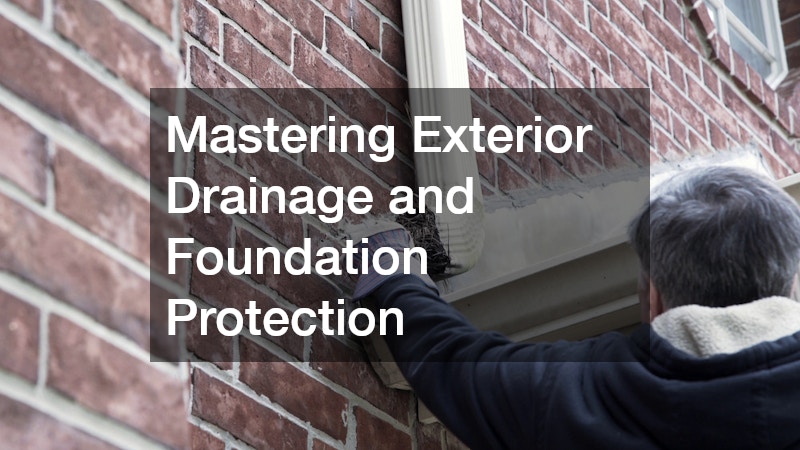
The foundation of your home bears the literal weight of your investment, yet it is highly vulnerable to the destructive power of unmanaged water. When heavy rainfall or snowmelt accumulates around your home’s perimeter, the surrounding soil becomes saturated. This leads to a phenomenon known as hydrostatic pressure, where the water forces its way through microscopic cracks in your concrete foundation, causing bowing walls, damp basements, and structural shifts. Managing this risk requires a meticulous evaluation of your property’s grading and drainage networks.
To secure your foundation, begin with a thorough inspection of your gutter and downspout systems. Ensure that gutters are completely cleared of leaves, twigs, and roofing granules at least twice a year. Downspouts must extend a minimum of five to six feet away from the foundation wall, directing water toward a natural slope or a dedicated drainage area. If your yard naturally slopes toward your house rather than away from it, you must regrade the soil, creating a drop of at least six inches over the first ten feet away from the exterior walls. For properties with severe grading challenges, installing a French drain network can redirect subsurface water safely away from your living space.
Beyond your immediate roofline, regional environmental management plays a massive role in protecting your property. Low-lying areas, retaining walls, and neighborhood culverts must be monitored to ensure they handle runoff efficiently. Investing in a professional stormwater inspection ensures that your property’s retention areas and culverts are clear before heavy seasonal downpours strike. Neglecting these exterior systems allows water to pool near your crawlspace or concrete pad, which invites severe moisture intrusion, often resulting in a desperate need for costly mold remediation later on.
2. Minimizing Invisible Household Hazards and Fire Risks
Start your safety audit by testing every smoke and carbon monoxide detector in your home. This should be done monthly using the physical test button on the device. Replace the batteries annually, even if the units are hardwired into your home’s electrical system, as these batteries serve as a vital backup during power outages. Additionally, check the manufacturer’s date printed on the back of each alarm; all detectors must be completely replaced every ten years, as their internal sensors degrade over time.
For comprehensive safety, look beyond the basic DIY steps to ensure your systems can withstand an actual emergency. While testing batteries monthly is crucial, a professional fire alarm inspection verifies that interconnected hardwired systems and monitoring links are fully operational. Furthermore, keeping an eye out for chewed wiring during safety checks highlights the intersection between fire safety and routine pest management. Rodents have a natural compulsion to gnaw on materials, and exposed, chewed electrical wires inside attic spaces are a leading cause of mysterious, catastrophic attic fires.
3. Managing On-Site Waste Systems for Long-Term Functionality
For homes that operate independently of municipal utility lines, the waste management system is an invisible, high-stakes infrastructure network. On-site waste disposal relies on a delicate balance of biology and engineering to process wastewater safely. When this balance is disrupted by neglect or improper usage, the results are catastrophic: raw sewage backing up into household drains, contaminated groundwater, and completely ruined yards that require complete system replacements.
Proper management of an independent waste system begins with strict input control. The system is designed to process only human waste and biodegradable toilet paper. Flushing items like wet wipes, feminine hygiene products, grease, or harsh household chemicals kills the beneficial bacteria needed to break down solids, leading to premature system clogging. Homeowners must also protect the absorption area, commonly known as the drainfield.
Regular professional intervention is the only way to guarantee the longevity of this vital setup. For rural or suburban homeowners off the main grid, consistent septic maintenance—including pumping every three to five years—is non-negotiable. This prevents the solid sludge layer from rising to the top and escaping into the delicate absorption field. Conversely, urban homeowners must watch for invasive tree roots that can crack underground pipes, frequently forcing them into unexpected sewer line repair that could have been avoided with proactive video scope evaluations.
4. Tuning Up Mechanical Climate Systems and Main Drainage Links
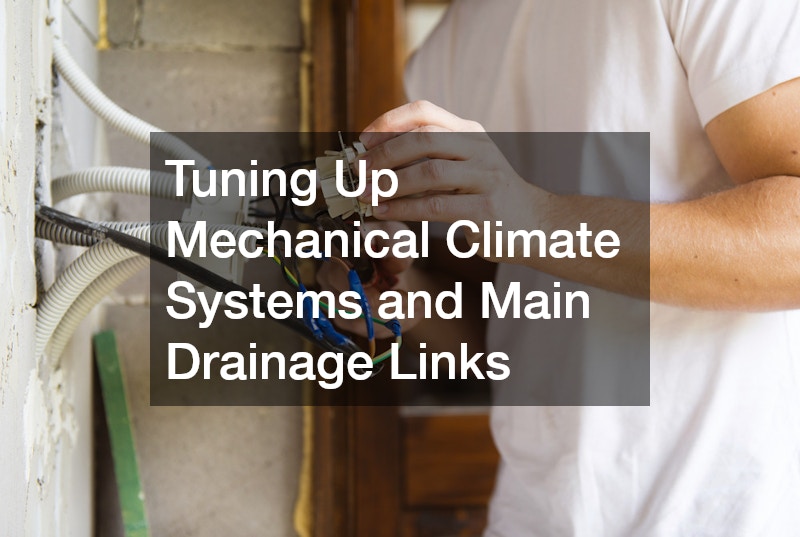
A home’s climate control system is vital for both comfort and indoor air quality. Heating, ventilation, and air conditioning units are the hardest-working appliances in any house, cycling thousands of times per year to regulate temperature and humidity. Operating a system that is choked with dust, low on refrigerant, or suffering from worn components forces the equipment to work twice as hard. This drastically increases your monthly energy utility bills and cuts the overall lifespan of your expensive compressor or furnace in half.
Basic maintenance of your climate control system centers on airflow. Air filters should be checked every thirty days and replaced at least every three months, or more frequently if you have pets or allergy sufferers in the home. Keep the outdoor condenser unit free of debris, cutting back grass, weeds, and shrubs to maintain at least two feet of clear space around the perimeter. Vacuum dust from your indoor return vents and ensure that furniture or drapes are not blocking airflow. Additionally, check the condensate drain line for blockages, flushing it with a cup of vinegar periodically to prevent algae buildup from causing water damage inside your walls.
As the seasons shift, the demand for these mechanical units peaks, making early diagnostic checks essential. Sifting through reviews for reputable ac repair companies during a mid-summer heatwave is stressful; scheduling a spring tune-up avoids the rush. During this seasonal check, it is also wise to ensure that your main line flows freely into the municipal sewer without any sluggishness. A minor restriction in your main drain can turn into a complete backup when your air conditioning unit is draining gallons of condensation daily alongside heavy appliance usage.
5. Building Relationships with Emergency Restoration Specialists
No matter how diligent you are with your routine property checklists, unforeseen disasters can still happen. Severe weather, sudden appliance failures, or freak electrical anomalies can alter your living situation in an instant. When a crisis strikes, your emotional state is pushed to the limit, making it the worst possible time to research, interview, and vet emergency contractors. Property owners who lack a predefined plan of action frequently fall victim to predatory pricing, long delays, and poor workmanship from unverified workers.
Developing an emergency preparedness strategy requires constructing a digital and physical emergency binder. This document should hold your home insurance policy numbers, direct claims hotlines, utility shut-off locations, and contact information for trusted, licensed contractors. Share the locations of your main water shut-off valve and gas meter with every family member, ensuring everyone knows how to cut off utilities in an emergency to limit property damage. Take a detailed video inventory of your entire home’s contents annually for insurance validation, storing the files securely in a cloud-based folder.
By identifying certified emergency professionals ahead of time, you bypass the frantic scramble that follows an accident. Knowing exactly which local fire damage service to call in a crisis can mean the difference between saving your structure or losing it completely. Vetting top-tier fire restoration companies ahead of time ensures you have a trusted partner ready to handle smoke mitigation and structural rebuilding immediately, giving you a massive advantage when executing your recovery plan.
6. Maintaining Roof Integrity and Attic Ventilation
Your roof is your home’s first line of defense against the elements, enduring intense sun, heavy winds, hail, and snow. A compromised roof can silently allow water to seep into your attic for months before a visible stain appears on your living room ceiling. By the time that water stain shows up, structural wood rot, ruined insulation, and widespread mold growth have likely already taken hold inside your structural framing.
Inspecting your roof does not necessarily require climbing up a ladder. You can perform a highly effective initial assessment from the ground using a pair of binoculars. Look closely for missing, cracked, or curling shingles, as well as lifting flashing around chimneys, skylights, and roof valleys. Pay close attention to the rubber boots surrounding your plumbing vent pipes, as these boots degrade much faster than your roofing shingles. Inside your attic, check for signs of daylight peeking through the roof boards, damp insulation, or dark water tracking marks along the rafters after a heavy downpour.
7. Preserving Exterior Siding and Trim Elements

The skin of your home protects your framing from moisture penetration, pest intrusion, and energy loss. Whether your home is clad in vinyl, wood, fiber cement, or stucco, every siding material requires consistent inspection and upkeep to maintain its protective barrier and curb appeal. Exterior trim around windows and doors is especially vulnerable, as it features numerous joints where water can easily lodge and fester.
Begin your exterior wall evaluation by looking for physical damage. Vinyl siding can crack from impact or warp from heat, while wood siding requires regular painting or sealing to prevent rot and splitting. Look for gaps in the caulking along siding joints, window frames, and doors, scraping away old, dried sealant and applying a fresh bead of high-quality exterior silicone caulk. Wash your siding annually to remove dirt, pollen, and algae growth, using a soft-bristle brush and a specialized house wash solution, avoiding high-pressure washers that can blast water behind the siding panels.
8. Evaluating Windows, Doors, and Thermal Seals
Windows and exterior doors are major focal points for energy loss, often accounting for a significant portion of a home’s heating and cooling expenses. Over time, building settlement, daily usage, and material aging cause seals to fail, hinges to drop, and gaps to form. This allows conditioned air to escape while drawing unconditioned outdoor air and moisture inside your living spaces.
Inspect the weatherstripping around all exterior doors and operable windows, replacing any sections that are torn, flattened, or brittle. Perform a simple draft test by closing a door or window on a dollar bill; if you can pull the bill out easily without resistance, your seal is too loose and needs adjustment. For double- or triple-pane windows, inspect the glass for cloudiness or condensation between the panes. Foggy glass indicates that the factory perimeter seal has failed, destroying the window’s insulating value and requiring a glass or sash replacement.
9. Upkeep of Electrical Panels, Outlets, and Interior Wiring
Your electrical system is the lifeblood of your home’s modern conveniences, but it can present extreme hazards if neglected. Electrical fires are particularly dangerous because they occur out of sight, deep inside walls and utility spaces, often triggered by loose connections, overloaded circuits, or aging components that cannot safely handle today’s power demands.
Open your main electrical service panel to check for warmth, unusual buzzing sounds, or smells of burning plastic. Ensure all circuit breakers are clearly and accurately labeled so you can quickly kill power to specific zones during an emergency. Test all Ground Fault Circuit Interrupter outlets monthly, which are typically found in high-moisture zones like kitchens, bathrooms, and garages. Pressing the test button should immediately cut power to the outlet, and hitting the reset button should restore it securely.
10. Managing Hardscape Elements, Decks, and Driveways

The structural integrity of your outdoor living spaces directly affects your safety and your property value. Patios, driveways, walkways, and decks face constant exposure to weather, shifting soil, and heavy loads. Neglecting these areas creates trip hazards, allows water to pool near your home, and shortens the life of expensive wood and concrete installations.
Examine wooden or composite decks for loose boards, protruding nails, and structural stability. Inspect the ledger board, which fastens the deck directly to your house, ensuring it is secured with heavy-duty lag screws rather than simple nails, and verify that the metal flashing above it keeps water out. Apply a water-resistant sealer or stain to wood decks every two to three years to prevent splitting, warping, and rot, paying special attention to the structural posts anchored into the ground.
Transforming your relationship with your property from a reactive struggle to a proactive partnership is the single most effective action you can take as a homeowner. By breaking your maintenance requirements into an organized annual schedule, you remove the anxiety of the unknown and gain long-term control over your home’s financial demands. Every dollar and hour invested in verifying drainage flow, testing safety mechanisms, and tuning up essential mechanical equipment pays massive dividends by preventing sudden system failures.