Maintaining a well-functioning home requires a balanced combination of routine upkeep, thoughtful planning, and a clear understanding of how the major systems in your home work together. From plumbing and HVAC equipment to your roof, generator, and even pool systems, each component plays a role in ensuring comfort, convenience, and safety. Many homeowners wait until something breaks before taking action, but adopting a proactive approach helps reduce stress, prevent emergencies, and extend the lifespan of expensive systems. Understanding repair signs early, knowing which professional to call, and recognizing when annual inspections are necessary all contribute to long-term stability and efficiency. This guide provides practical, expert-backed advice on managing essential home repairs, minimizing disruptions, and keeping your property in optimal condition throughout the year.
Your home operates like a network, where plumbing, heating, cooling, and structural systems interact in ways you may not always see. A small issue in one area can create ripple effects elsewhere, so evaluating your home holistically is one of the smartest preventive steps you can take. In the following sections, you’ll learn how to handle everything from plumbing failures to HVAC inefficiencies and seasonal structural maintenance. Each system has unique warning signs, and by understanding what to look for—and how to respond—you can gain confidence in handling repairs efficiently. Whether you’re maintaining an older home or caring for a recently built property, these tips will help you stay ahead of major repairs, reduce unexpected costs, and enjoy a home that performs at its best year-round.
Understanding Key Plumbing Responsibilities
A critical but often overlooked component of a healthy plumbing system is the proper care and monitoring of wastewater infrastructure, which is why knowing the signs that you need septic tank repair is essential for homeowners. When a septic system becomes overloaded or begins to fail, symptoms such as slow drains, foul odors, soggy patches in the yard, or gurgling sounds in pipes may appear. Regular inspections help identify issues early, particularly in properties located in rural or suburban areas with independent waste management. Beyond recognizing warning signs, homeowners should also recognize how lifestyle habits influence septic performance. Excessive water use, flushing inappropriate materials, and using harsh chemicals can significantly reduce the system’s efficiency and even cause long-term damage. By maintaining consistent pumping schedules and monitoring outdoor conditions, homeowners can ensure the longevity of their septic systems. Understanding these responsibilities allows you to avoid costly disruptions and enjoy steady, reliable plumbing performance.
Maintaining Household Water Flow Efficiency
Ensuring the reliability of moving water throughout your home requires attentive care of mechanical components, especially when you begin to notice inconsistent water pressure or unusual noises that indicate the need for pump repair services. Homeowners often rely on pumps for various functions, from well water systems to basement drainage, and each of these devices must operate efficiently to maintain home safety and comfort. A failing pump may struggle to circulate water effectively, leading to an inconsistent supply or even water damage if leaks or backup occur. Paying close attention to changes in system behavior is important, as small signs can quickly escalate into larger issues if ignored. Routine checks that include examining seals, listening for unusual vibrations, and monitoring water pressure offer insight into the overall condition. When pumps begin to show signs of wear, calling a professional promptly can prevent flooding, property damage, and other complications. A well-maintained pump ensures your home stays dry, functional, and in stable working order throughout the year.
Strengthening Your Home’s Exterior
Your roof plays one of the most important roles in protecting your home from weather, moisture, and temperature fluctuations, making timely attention to roofing services essential for long-term durability. A compromised roof can quickly lead to water damage, insulation problems, and even structural deterioration if homeowners fail to address issues proactively. Regular inspections are particularly important after storms, high winds, or seasonal changes that may weaken shingles, flashing, or underlayment materials. Many homeowners overlook minor issues such as small leaks or missing shingles, but these minor problems often indicate deeper vulnerabilities. Addressing these concerns early prevents widespread damage and extends the lifespan of your home’s exterior shell. Furthermore, proper ventilation and insulation work closely with roofing performance to regulate indoor temperatures and reduce strain on HVAC systems. By keeping the roof in peak condition, homeowners safeguard their homes against the elements and ensure a safer, more energy-efficient living space.
In addition to monitoring the roof itself, it’s equally important to evaluate other exterior components that contribute to overall protection. Gutters, for example, play a crucial role in diverting water away from the foundation, yet they often become clogged with debris, leading to overflow and soil erosion. Routine gutter cleaning and downspout inspections can prevent pooling water and basement moisture issues. Siding should also be reviewed for cracks, warping, or fading that may signal weather damage or pest activity. Maintaining these exterior elements helps reduce long-term repair risks and preserves your home’s structural integrity. Homeowners who invest time in exterior care not only enhance property value but also enjoy a more resilient home that can withstand year-round environmental conditions.
Addressing Indoor Plumbing Concerns Early
Homeowners often underestimate the importance of hiring a skilled professional when dealing with common plumbing problems, especially when an issue requires the expertise of a bathroom plumber to resolve correctly. Bathrooms contain some of the most frequently used plumbing fixtures, making them prone to leaks, clogs, and component wear over time. A persistent drip, unusual odor, slow drain, or visible water damage may all signal underlying issues that require immediate attention. Failure to address these early warning signs can lead to structural damage, mold growth, or disruptions to daily routines. Skilled plumbers not only repair visible problems but also diagnose hidden concerns that may cause future complications. Their work ensures that your home’s most essential water fixtures operate reliably and efficiently. Being proactive with bathroom-related plumbing concerns not only enhances long-term functionality but also reduces the risk of sudden emergencies or unexpected repairs in the future.
Preparing for Unexpected Plumbing Emergencies
No homeowner wants to experience sudden flooding, broken pipes, or severe clogs, but these incidents can happen quickly, which is why knowing when to call an emergency plumber is crucial for minimizing damage. Plumbing emergencies can escalate within minutes, especially when water begins overflowing or when foundational systems fail unexpectedly. Quick action helps limit structural damage and reduces the likelihood of mold growth or contamination. Understanding the early signs of a severe plumbing issue—such as rapid leaks, foul sewage odors, or sudden drops in water pressure—allows homeowners to respond quickly and appropriately. Keeping essential shutoff valves labeled and accessible adds another layer of protection, allowing you to stop water flow before help arrives. While routine maintenance significantly reduces emergencies, even the best-kept systems may experience unexpected problems. When they do, immediate professional assistance ensures swift and safe repairs while preserving the integrity of your home.
Ensuring Water Safety and Compliance
Water quality and plumbing system performance depend on more than just functional fixtures; they rely on proper testing procedures such as back flow testing, which ensures contaminants never enter your clean water supply. This crucial test evaluates whether changes in water pressure could cause pollutants to flow backward into household water lines, posing potential health risks. Many municipalities require routine testing to safeguard public safety, and homeowners benefit greatly by staying compliant with these regulations. Backflow concerns can arise from irrigation systems, hose attachments, or pressure fluctuations, all of which require careful monitoring. Professional testing not only confirms system integrity but also identifies components that need repair or replacement. Ensuring your plumbing system remains free from contamination enhances household health, protects appliances, and preserves water quality year-round. By understanding water safety protocols, homeowners take an active role in supporting both personal well-being and overall community health.
Keeping Power Accessible During Outages
Power outages can disrupt daily routines, compromise home safety, and affect climate control, which highlights the importance of maintaining reliable backup power through local generator services. A generator plays a key role during storms, grid failures, or seasonal outages by ensuring essential household systems continue running smoothly. When generators fall into disrepair, homeowners may face significant inconvenience, particularly if heating, cooling, or medical-related equipment is affected. Regular inspections help confirm that fuel levels, wiring connections, and mechanical parts remain in good working condition. Testing your generator before unpredictable weather seasons gives you confidence that it will perform when needed most. Understanding your generator’s age, usage patterns, and maintenance schedule helps prevent unexpected failures. When supported by professional service providers, backup power sources can supply consistent, long-term reassurance and stability to your home.
Maintaining Climate Comfort Year-Round
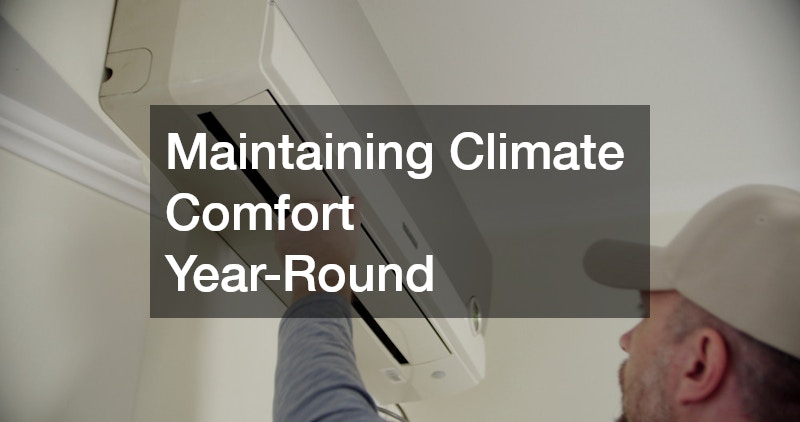
Indoor comfort depends heavily on the performance of your cooling equipment, especially during warm or humid seasons, which is why addressing signs that you need local ac repair can help prevent system breakdowns. When air conditioners struggle to maintain temperature, emit strange sounds, or show signs of leaking, immediate attention is necessary to restore efficiency and prevent further damage. Poor AC performance can also lead to higher energy bills, uneven cooling, or strain on other HVAC components. Routine maintenance—including filter changes, coil cleanings, and thermostat checks—helps extend the life of your unit and ensures it runs at optimal capacity. Homeowners who stay attentive to early warning signs avoid costly downtime and uncomfortable conditions. By investing in timely repairs and consistent care, you create a healthier indoor environment and maintain comfortable temperatures throughout the year.
Protecting Your Home From Fire and Structural Damage
Many homeowners overlook the importance of regular chimney inspections, even though chimney repairs play a major role in preventing fire hazards and structural issues. Over time, soot, creosote buildup, moisture exposure, and shifting materials can all compromise chimney performance. When left unaddressed, these issues may lead to smoke damage, poor ventilation, or fire risks that endanger your home and family. Professional evaluation can uncover cracks, deteriorated bricks, weakened mortar, or blockages that limit airflow. Addressing these concerns early helps maintain proper ventilation and ensures safe operation of fireplaces, wood stoves, or heating systems connected to the chimney. Consistent upkeep not only enhances safety but also prolongs the structure’s lifespan, making it an essential part of maintaining your home’s integrity.
Caring for Outdoor Comfort Systems
Outdoor living spaces often depend on specialized equipment that ensures warm, comfortable conditions, especially near swimming pools, which is why understanding the need for pool heater repair services helps maintain year-round enjoyment. When pool heaters malfunction, homeowners may notice inconsistent water temperatures, unusual noises, decreased energy efficiency, or error messages on control panels. Addressing these signs early prevents long-term equipment damage and ensures the heater remains safe to operate. Seasonal maintenance that includes checking valves, inspecting heating elements, and evaluating wiring connections supports steady performance. By staying proactive with pool heater care, homeowners protect their investment and ensure leisure areas remain usable and comfortable across multiple seasons. This attention to detail contributes to a more enjoyable outdoor environment and reduces the likelihood of major equipment failures.
Maintaining a well-functioning home requires consistent care and an awareness of how various systems interact with one another. Whether you’re managing plumbing challenges, HVAC efficiency, or structural components such as your roof or chimney, adopting a proactive approach helps preserve the safety, comfort, and value of your property. Each section of this guide highlights the importance of recognizing early warning signs, scheduling regular inspections, and seeking professional assistance when necessary. By staying informed and taking timely action, you reduce the likelihood of emergencies, avoid extensive repairs, and extend the lifespan of your home’s most essential systems.
Homeowners who commit to routine maintenance and thoughtful planning enjoy fewer disruptions and more peace of mind. From protecting indoor comfort to preserving exterior structures and ensuring water safety, every effort contributes to a safer and more efficient home. By following the expert tips outlined throughout this guide, you can keep your home running smoothly, minimize unexpected challenges, and ensure your property remains a reliable and inviting place for years to come.