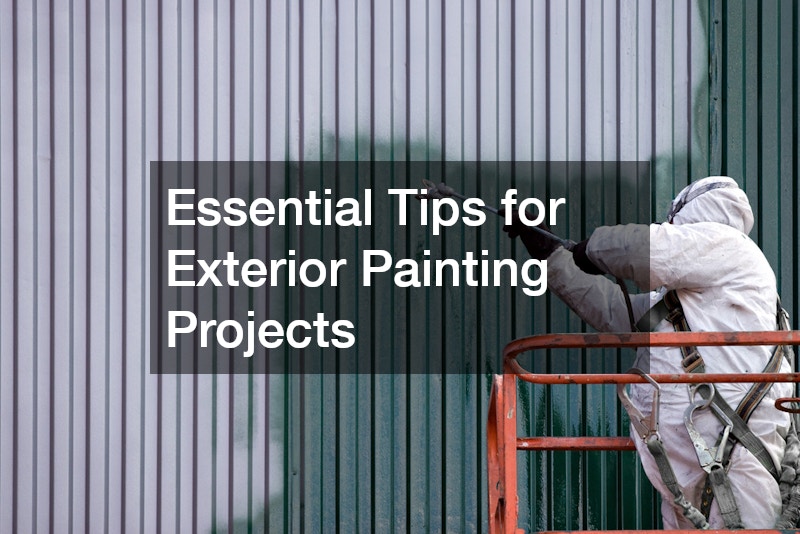
Exterior painting can significantly transform the appearance of your home or building. Whether you’re tackling the project yourself or hiring professionals, understanding the essential tips and best practices can help ensure a successful outcome. This article will cover some of the most frequently asked questions and provide valuable insights for painting the exterior of your home.
How do I prepare the exterior surface for painting?
Importance of Cleaning and Repairing
Before applying a new coat of paint, it’s important to ensure the surface is clean and in good repair. Dirt, mildew, and flaking can prevent paint from adhering properly, leading to an uneven finish.
Use a pressure washer to remove grime and a scraper to eliminate loose paint. Additionally, repairing any cracks or holes with a suitable filler will create a smooth canvas for painting.
Taking these preparatory steps can prevent future peeling and bubbling, ensuring your paint job looks pristine for years to come. Consider the surface temperature and weather conditions, which can also affect paint adhesion and drying time.
Choosing the Right Primer
Priming the surface is crucial, as it enhances paint adhesion and covers stains for a more polished final look. Selection of the right primer depends on the material of your exterior surface, be it wood, metal, or masonry.
For most surfaces, a water-based primer can be a versatile choice offering easy clean-up, while oil-based primers might be better suited for stain covering and for surfaces with existing oil-based paint. Each type offers distinct advantages and should be chosen based on your specific requirements.
Application techniques also matter, as even coats ensure better coverage and adhesion. A professional or DIY enthusiast should not overlook the importance of using a primer suited to their environmental conditions.
What are the best types of paint for exterior projects?
Comparing Water-Based and Oil-Based Paints
Choosing between water-based and oil-based paints often depends on personal preference and the characteristics desired in the final finish. Water-based paints are popular for their quick drying times and flexibility, which reduces cracking over time.
On the other hand, oil-based paints offer durability and resistance against harsh weather conditions, making them suitable for areas with extreme climate variations. However, they can yellow over time and require more extensive clean-up with solvents.
Ultimately, each type of paint has its own merits and suits different project requirements. Selecting the right paint complements your surface and primer, providing a cohesive and lasting finish.
Understanding Paint Finishes
The finish of your paint plays a critical role in both aesthetics and durability. Matte finishes, for example, provide a subdued appearance but might require more maintenance as they can trap dirt more easily.
Satin and semi-gloss finishes offer a balance between an attractive appearance and ease of cleaning, making them popular choices for exteriors. Gloss finishes are the most durable and cleanable, suitable for areas that face heavy wear or exposure to elements.
Understanding how each finish interacts with light and weather conditions helps in selecting the best option for your home’s exterior. The decision should also consider the architectural style and desired visual impact of the paintwork.
What are the common mistakes to avoid in exterior painting?
Skipping Proper Surface Preparation
One of the most common errors in exterior painting projects is neglecting thorough surface preparation. Even with the highest-quality paint, a poorly prepared surface will inevitably lead to failures such as peeling or cracking.
Investing time in cleaning, repairing, and priming the surface can resolve many issues before they occur. It’s vital to inspect and address all areas where paint failure has been observed before applying new layers.
Ultimately, surface preparation may seem like extra work, but it guarantees a more durable and aesthetically pleasing finish. It can save both time and money in the long run by reducing the need for future touch-ups or complete repaints.
Neglecting Environmental Factors
Another frequent mistake is ignoring the impact of environmental factors, which can drastically affect the quality and longevity of an exterior paint job. Temperature, humidity, and sunlight exposure should all be considered when planning and executing your painting project.
Painting in unsuitable conditions, like high humidity or intense sunlight, can compromise the drying process and adhesion of the paint. It is best to plan your painting activities for moderate weather, avoiding extreme temperatures.
Moreover, wind can carry debris onto freshly painted surfaces, resulting in imperfections. Choosing the optimal time of year and monitoring the weather forecast can ensure a smoother and more successful application.
Exterior painting can be a rewarding project that enhances the aesthetic appeal and value of your property. By thoroughly understanding preparation procedures, selecting the right materials, and avoiding common mistakes, you can achieve a lasting and visually appealing result. Implement these essential tips, and let your home make a great impression.