
Homeownership involves a continuous series of maintenance decisions, structural upgrades, and financial investments designed to preserve or enhance a property. Among the most substantial projects a property owner can undertake is updating the overhead structure that protects the entire house from the elements. Prospective sellers and long-term homeowners alike frequently evaluate whether major structural improvements yield a strong return on investment. Assessing property value involves looking at curb appeal, energy performance, structural integrity, and how potential buyers perceive a home during negotiations.
A sound overhead structure serves as the first line of defense against rain, snow, wind, and severe temperature fluctuations, making it a critical component of any building. When a home goes on the market, inspectors and appraisers scrutinize every layer of the building envelope. A fresh overhead structure eliminates immediate red flags during inspections, reassuring buyers that they won’t face major surprise expenses shortly after closing. Beyond basic structural protection, a modernized top layer elevates the architectural aesthetics of the entire residence. Upgraded materials can dramatically alter the color, texture, and visual balance of a property, creating an immediate positive impression from the street.
Improved energy efficiency is another driving factor, as modern materials and proper ventilation lower utility costs by preventing heat loss in the winter and heat gain in the summer. Buyers are increasingly searching for energy-efficient features that promise lower ongoing operational expenses. Additionally, insurance companies often offer lower premium rates for structures featuring modern, damage-resistant materials. The decision to invest in this type of property improvement requires a clear understanding of market conditions, material lifespan, and buyer expectations. By exploring cost recovery percentages, appraisal valuations, and aesthetic impacts, homeowners can make informed financial decisions that maximize their equity and protect their long-term interests.
1. Elevating Initial Curb Appeal and Buyer Perception
First impressions are decisive in real estate transactions, shaping how buyers feel before stepping inside. An aging top structure with curling, missing, or discolored materials projects neglect, leaving buyers concerned about hidden structural issues. Conversely, a clean, visually pristine top layer creates immediate appeal, signaling meticulous maintenance throughout the property. This visual upgrade sets a positive tone for showings, helping potential buyers view the home as a move-in-ready property rather than a renovation project requiring extra work. When a home stands out in the neighborhood, it captures greater attention online and in person. Hiring a professional roofer ensures the new system is installed flawlessly, providing a polished look that enhances overall property marketability. Furthermore, fresh exterior features create a strong competitive edge, captivating active home shoppers and instilling immediate confidence during initial visits.
2. Maximizing Appraisal Value and Market Valuations

Real estate appraisers use concrete metrics to evaluate property value, examining overall condition, recent improvements, and comparable sales. A damaged or aging upper structure often leads to lower valuations or conditional appraisal reports requiring fixes before mortgage approval. Installing a modern top layer positively impacts the appraisal process by removing deferred maintenance deductions and extending the overall effective age of the structure. Appraisers recognize that modern materials offer extended lifespans and superior weather protection. Working with established roofing contractors ensures the installation meets local building codes and industry standards, providing the necessary documentation to justify higher valuation figures during appraisal evaluations. These documented structural enhancements provide tangible proof of quality, directly supporting higher valuation baselines during formal lender property assessments.
3. Boosting Energy Efficiency and Lowering Utility Expenses
Modern exterior materials incorporate advanced solar-reflective technology and superior thermal performance designed to reduce indoor climate control demands. Traditional materials absorb solar radiation, transferring heat directly into the attic and upper living spaces during warmer months. Modern reflective options push radiant heat away, keeping attic spaces cooler and reducing strain on air conditioning systems. In colder climates, proper modern systems pair with optimized ventilation to prevent heat loss and ice dam formation. Homeowners seeking comprehensive energy upgrades often invest in complete roofing services to ensure proper insulation, ventilation, and underlayment work together to create an energy-efficient home envelope. Consequently, these integrated thermal improvements substantially decrease monthly electric bills, offering sustainable operational savings throughout every changing season.
4. Protecting Structural Foundations and Interior Spaces
The primary function of any upper defense barrier is keeping moisture out of the interior living areas and structural framing. Water intrusion can quietly compromise ceiling drywall, rot wooden trusses, ruin insulation, and encourage mold growth inside wall cavities. Addressing minor leaks quickly helps prevent massive structural repair bills later on. When moisture issues linger, homeowners must schedule timely roof repair to prevent water from reaching internal support beams and foundation elements. A tight, reliable upper barrier protects interior renovations, ensuring custom kitchens, hardwood flooring, and finished basements remain safe from unpredictable weather events. Maintaining complete structural integrity preserves overall building longevity, shielding high-end interior finishes and underlying structural elements from progressive damage.
5. Passing Inspections Without Costly Concessions
Home inspection reports can make or break a pending real estate sale. Buyers routinely hire independent inspectors to evaluate major structural components, and an old or deteriorating top layer is one of the most common reasons deals stall. Inspectors look for missing shingles, improper flashing around chimneys, granule loss, and signs of past leaks. If significant defects turn up, buyers may demand steep price reductions, hefty closing credits, or full repairs before proceeding. Partnering with reputable residential roofing specialists ensures the top structure passes rigorous inspection criteria easily, allowing sellers to maintain their asking price and keep escrow moving smoothly toward closing. Clean inspection findings streamline contract negotiations, eliminating unexpected seller concessions while protecting original profit margins throughout closing operations.
6. Understanding Return on Investment Percentages
While major structural projects require significant upfront capital, they consistently offer strong cost recovery percentages compared to other home remodeling efforts. Remodeling impact reports show that replacing an outdated top barrier yields a high return on investment at resale, often recouperating a major portion of the initial expenditure directly in the final sale price. Beyond direct dollar returns, a reliable top structure accelerates the sale timeline by reducing days on market. Homes with brand-new overhead structures tend to sell faster because buyers appreciate avoiding immediate large-scale renovation costs after purchasing a home. This impressive financial return minimizes overall capital risk, ensuring property owners capture substantial equity recovery upon final sale.
7. Modernizing Material Durability and Weather Protection
Manufacturing advancements have dramatically improved the durability, impact resistance, and longevity of modern exterior building materials. Traditional asphalt options have evolved into high-performance architectural and dimensional products engineered to withstand high wind speeds, severe hail, and intense exposure to sunlight. Homeowners can choose metal, composite, or tile options designed to last decades longer than standard options. Hiring licensed roofing companies ensures these advanced materials are fastened correctly using high-grade fasteners, self-sealing underlayment, and proper drip edges to handle extreme weather conditions without failing prematurely. These state-of-the-art materials offer unprecedented defense against harsh environmental elements, ensuring reliable long-term performance and minimizing future maintenance.
8. Securing Homeowner Insurance Premium Discounts

Insurance providers evaluate risk based on the structural soundness of a property, and the condition of the top barrier is a key factor in calculating premium rates. An old, worn structure presents a high risk for water damage claims, wind loss, and interior collapse, leading to higher annual insurance premiums or coverage exclusions. Conversely, installing an impact-resistant top layer often qualifies the property owner for substantial discounts on home insurance policies. Insurance adjusters favor modern installations completed by certified roofers who adhere to strict weatherproofing standards, lowering liability risks for the insurer and recurring costs for the owner. These continuous premium reductions generate meaningful long-term savings, effectively offsetting a portion of the initial installation investment.
9. Transforming Architectural Aesthetics and Modern Design
The top structure of a house accounts for a large percentage of its visible exterior surface, making it a dominant feature of the home’s overall design. Replacing a worn, faded barrier gives homeowners an opportunity to update the building’s aesthetic profile completely. Modern architectural trends emphasize clean lines, rich color contrast, and textured materials that complement modern paint shades, brickwork, and stone accents. Choosing high-quality materials for a complete roof replacement allows homeowners to customize their property’s exterior look, elevating a standard house design into a standout neighborhood feature that commands attention. This dramatic visual transformation boosts total neighborhood prestige, turning an outdated residential facade into a striking, contemporary showcase.
10. Streamlining Transferable Warranties for Buyer Assurance
Peace of mind is a major selling point in modern real estate transactions. Buyers are drawn to properties that offer guaranteed protection against unexpected maintenance expenses. Top-tier material manufacturers offer extended warranties covering both material defects and installation workmanship for decades. When homeowners invest in quality upgrades, many of these comprehensive warranties can be officially transferred to the new owner upon sale. This transferable coverage acts as a powerful marketing asset, assuring buyers that their investment remains fully protected long after the property keys change hands. Offering fully transferable coverage alleviates post-purchase concerns, giving incoming buyers absolute confidence in the long-term reliability of their new home.
11. Mitigating Attic Moisture and Preventing Ice Dams
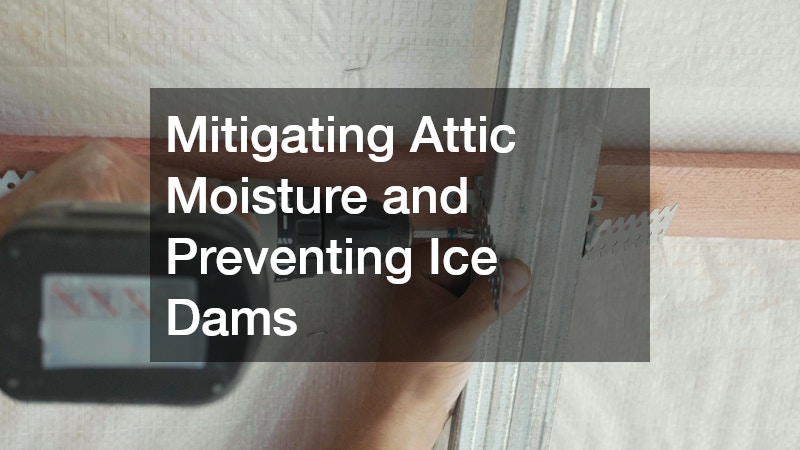
Proper overhead protection involves far more than surface materials; it relies on a carefully balanced ventilation system. Inadequate ventilation allows heat and moisture to collect in attic spaces, creating severe structural problems over time. During warm months, trapped moisture fosters mold growth and wood rot; during cold winters, trapped heat warms the top layer, melting roof snow that refreezes at the cold eaves to form damaging ice dams. Experienced technicians from a professional roofing company carefully balance intake and exhaust vents during installation, ensuring air flows continuously through the attic to keep the structure dry, stable, and damage-free year-round. Optimized airflow effectively regulates internal roof temperatures, preserving structural integrity and protecting upper building zones against destructive winter ice accumulation.
12. Evaluating Total Financial Returns and Strategic Timing
Deciding to update your home’s top protective barrier is a strategic financial move that requires evaluating both immediate market conditions and long-term equity goals. While upfront costs require planning, the combination of increased appraisal value, enhanced curb appeal, reduced insurance premiums, and improved energy efficiency creates a compelling financial case. Properties featuring modern, fully warranted top structures attract serious buyers quicker and navigate the closing process with fewer appraisal or inspection hurdles. Executing a full roof installation before placing a home on the market transforms a major prospective buyer hesitation into a compelling selling feature, ensuring maximum price recovery, faster closing timelines, and lasting peace of mind. Ultimately, proactive installation timing optimizes transaction efficiency, maximizing overall net proceeds while ensuring a seamless, worry-free sale process.
Determining whether a new overhead structure increases home value requires examining both immediate tangible returns and long-term financial benefits. Real estate market data consistently shows that upgrading an aging top layer is one of the most effective exterior improvements a homeowner can make. Beyond the direct increase in property valuation identified during appraisal reports, a modern top structure acts as a powerful catalyst for the entire sales process. It elevates curb appeal, making a strong visual impact that attracts buyers online and during initial walk-throughs.
By eliminating major red flags on home inspection reports, sellers prevent last-minute price reductions, buyer credit demands, or canceled contracts, ensuring negotiations stay on track. The financial advantages extend beyond the final transaction price as well. Modern materials engineered with reflective technologies and improved thermal barriers reduce heating and cooling costs, providing monthly utility savings throughout the year. Additionally, impact-resistant products often qualify homeowners for lower home insurance premiums, adding recurring financial value.
From a structural standpoint, replacing a worn top layer protects the entire home envelope, keeping moisture out and shielding interior renovations, ceiling framing, and foundation walls from costly water damage. Transferable manufacturer warranties further enhance marketability, providing future buyers with long-term peace of mind that sets the property apart from competing local listings. Whether planning to sell immediately or seeking to build long-term home equity while enjoying improved comfort and safety, investing in a complete structural top upgrade delivers exceptional value, proven cost recovery, and lasting peace of mind. Ultimately, proactive renovations safeguard fundamental building components while maximizing total property valuation and future resale potential.