When you sign the closing papers on a house, you are not just buying a place to live; you are establishing the foundation of your personal wealth. For the vast majority of people, a primary residence represents the single largest financial asset they will ever own. Yet, many homeowners treat their property’s equity like a fixed deposit account—something that sits safely in the background, untouched by the passage of time. The reality of real estate is far more dynamic. A home’s value is not a permanent guarantee; it is a variable metric that responds directly to how well the physical structure is preserved.
Neglect works quietly. It does not announce itself with a sudden crash, but rather through the slow, creeping degradation of vital components. A microscopic gap in the flashing around a chimney, a slight wobble in a garage door track, or an unserviced heating system are the financial equivalents of a slow leak in a boat. By the time the damage becomes visible, the cost to remedy the issue has often multiplied exponentially.
Transitioning from a reactive mindset—where you only pick up the phone when something breaks—to a proactive, preventative approach is the most reliable way to protect your equity. When the time comes to sell, a home inspection report clean of major defects is your strongest leverage. Prospective buyers can sense the difference between a house that has been superficially staged and one that has been deeply cared for over the years. By investing a modest amount of time and money into routine upkeep today, you insulate yourself against catastrophic financial losses tomorrow, ensuring your property commands the top-tier market valuation it deserves.
Optimizing Climate Control and Energy Performance
Maximizing Airflow Efficiency and System Longevity
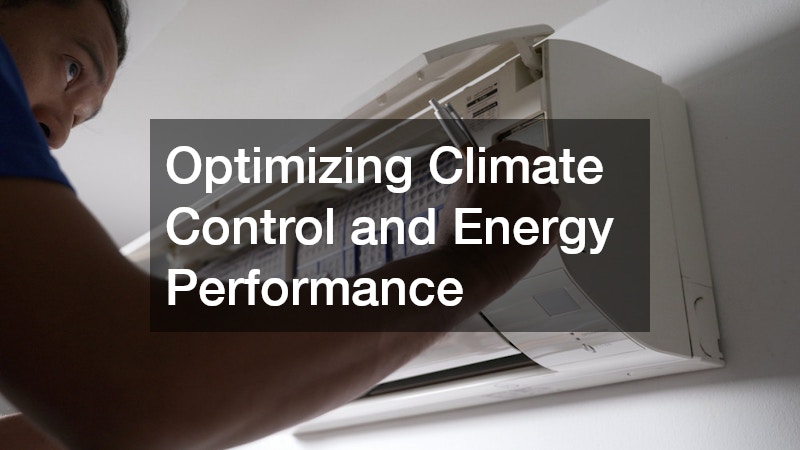
Consider the mechanical heart of your household. The climate control system works relentlessly through the blistering heat of July and the sub-zero depths of January to maintain a comfortable sanctuary indoors. Yet, because these mechanical units are often tucked away in basements, attics, or utility closets, they suffer from a severe case of being out of sight and out of mind. Proper HVAC maintenance is not merely about comfort; it is a direct investment in the longevity of the equipment and the structural health of the building. When filters become clogged with dust, pet dander, and airborne debris, the system must work twice as hard to draw in air, putting immense strain on the motor and drastically shortening its operational lifespan.
Homeowners should establish a strict calendar reminder to check their air filters every thirty days, replacing them when they show signs of gray discoloration. Additionally, walking the perimeter of the property to ensure that the outdoor condenser unit is free from encroaching vegetation, fallen leaves, and mulch is a simple, zero-cost practice that prevents airflow restriction. When an appraiser or a savvy buyer looks at a home, a meticulously documented history of professional system tune-ups serves as concrete proof that the property has been managed with care, directly supporting a higher market valuation.
Preventing Costly Mid-Winter Heating Failures
There is nothing quite like the sudden panic of waking up to a freezing house in the dead of winter because the heating system has unexpectedly failed. Beyond the immediate discomfort, a sudden loss of heat exposes the home to secondary hazards, such as frozen, bursting water pipes that can cause catastrophic flooding inside the walls. Avoid these nightmares by scheduling a professional technician to perform an annual multi-point inspection before the cold weather sets in permanently.
During these seasonal checkups, professionals focus heavily on identifying cracked heat exchangers—which can leak dangerous carbon monoxide into the living spaces—and cleaning worn flame sensors that cause the system to shut down prematurely. Neglecting these early warning signs inevitably results in emergency calls that carry premium weekend or holiday labor rates. By addressing minor wear and tear proactively through timely furnace repairs, you keep the mechanical systems running at peak thermal efficiency. This keeps your monthly utility costs low while preventing the premature, capital-intensive replacement of the entire heating unit before you choose to list the home for sale.
Safeguarding the Building Envelope from Water and Structural Damage
Proactive Inspections to Catch Minor Leaks Before They Spread
The roof over your head is the primary shield protecting your entire financial investment from the elements. Water is an insidious enemy; once it breaches the outer barrier of your home, it works its way down through insulation, drywall, and structural framing, causing damage that can cost thousands of dollars to remediate. To catch these issues early, develop the habit of conducting a visual ground-level inspection twice a year, particularly after major windstorms or heavy winter snowfalls. Using a pair of binoculars, scan the roofline for shingles that are cracked, curling at the edges, or completely missing. Pay close attention to the valleys and the metal flashing around chimneys, skylights, and vent pipes, as these are the most common failure points where water loves to collect.
Keep your gutters entirely clear of debris so that heavy rainfall is directed safely away from the fascia boards and the foundation. If you notice persistent dark streaks on your ceilings, damp insulation in the attic, or an abundance of protective ceramic granules accumulating in your downspouts, it is time to bring in professional assistance. Partnering with qualified local roofers allows you to address localized vulnerabilities before they turn into widespread structural rot. Experienced roofers can easily swap out damaged flashing or patch isolated sections, extending the overall life of the roof and giving future buyers confidence that the home’s envelope is completely secure.
Knowing When to Transition from Patchwork to Total Asset Protection
While localized maintenance can extend the lifespan of an aging roof for several years, there eventually comes a point where continued patching yields diminishing returns. If your roof is approaching the two-decade mark and exhibits widespread shingle degradation, persistent leaks, or noticeable sagging along the ridge line, continuing to pay for minor patches is simply throwing good money after bad. When these structural warnings pile up, the smartest financial move to preserve your home equity is to hire a reputable roofing company to assess the situation fully.
A badly compromised roof will instantly turn away prospective buyers or result in a massive price reduction during contract negotiations. Investing in a new roof might seem like a daunting upfront expense, but it provides one of the highest returns on investment of any home improvement project. A fresh, modern roof completely transforms the curb appeal of the property, slashes home insurance premiums, and offers an ironclad warranty that acts as a major selling point. By working with a reliable local roofer to execute a complete replacement, you permanently eliminate the threat of water intrusion, locking in your property’s market value for decades to come.
Defending Indoor Air Quality and Managing Hidden Moisture
Eradicating Hidden Biological Threats in Damp Spaces
- Identify the moisture source by checking for leaking pipes, condensation on windows, or poor drainage around the foundation walls.
- Maintain strict humidity control by running heavy-duty dehumidifiers in basements and crawlspaces, keeping the ambient air below fifty percent.
- Improve ventilation by ensures bathroom and kitchen exhaust fans are vented entirely to the outside of the structure rather than into the attic.
- Clean up small spills immediately with eco-friendly antimicrobial solutions to prevent spores from taking root in porous building materials.
- Hire an expert for local mold removal if the affected area covers more than ten square feet or if the contamination has spread deeply into structural subflooring.
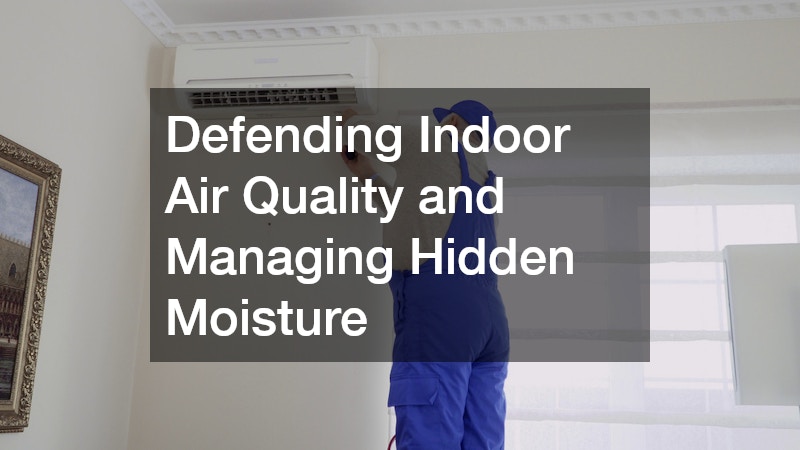
When moisture is allowed to linger undisturbed in dark, unventilated areas of a home, it creates the perfect breeding ground for biological hazards. Mold growth damages structural components like joists and drywall while posing a serious health risk to the home’s occupants. Modern home inspectors use advanced moisture meters and thermal imaging cameras to search for hidden dampness. Finding an active mold colony during a pre-sale inspection can derail a real estate transaction entirely or force you to accept a steep price drop. By managing indoor humidity levels and addressing leaks the moment they occur, you keep your home safe, structurally sound, and attractive to future buyers.
Securing and Testing Independent Potable Water Systems
For homeowners whose properties rely on private wells rather than a centralized municipal water supply, maintaining the water delivery infrastructure is absolutely critical for preserving home value. A broken well system can render a home completely unlivable in a matter of hours, stopping everything from basic sanitation to drinking water access. To prevent sudden system failures, pay close attention to how your water behaves inside the house. If you notice a sudden drop in water pressure, sputtering faucets, or a well pump that constantly clicks on and off, your pressure tank or submersible pump may be experiencing mechanical fatigue.
Schedule a certified technician to inspect the electrical controls, test the pressure switch, and check the integrity of the well casing every few years. Investing in residential water well repair at the first sign of mechanical trouble prevents the pump motor from burning out entirely, saving you from a much larger repair bill. Additionally, testing your water annually for bacteria, nitrates, and heavy metals creates a clear paper trail of water safety. This documentation proves to lenders and buyers that your independent water system is reliable, pure, and fully functional.
Enhancing Security, Curb Appeal, and Insulation at the Primary Entry Point
Extending the Performance of Heavy Moving Hardware
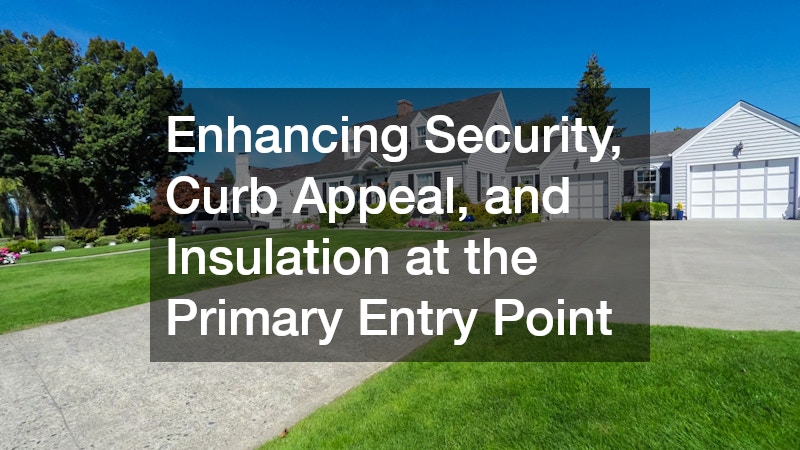
The garage door is often the largest, heaviest moving mechanical object on a residential property, yet its maintenance is regularly overlooked. Because it opens and closes thousands of times a year, the hardware experiences continuous friction and vibration. When a garage door becomes misaligned or its springs lose tension, the electric opener must strain against excessive weight, leading to premature motor failure or snapped cables.
Homeowners can perform simple preventative care by spraying a high-quality silicone or lithium grease onto the steel rollers, hinges, and torsion springs every six months to keep them operating quietly and smoothly. Avoid using standard penetrating oils, which attract dirt and create a abrasive paste that wears down the bearings. Periodically check that the tracks are perfectly straight and tighten any loose mounting bolts with a basic socket wrench. If the door makes grinding noises or feels heavy to lift manually, contacting a professional garage door service for a precision tune-up is the best way to prevent a sudden failure. These experts can safely recalibrate high-tension springs, balance the door, and ensure all safety sensors work correctly, keeping this main entry point safe and dependable.
Upgrading for Maximum Return on Investment and Thermal Control
- Boost Thermal Efficiency: Choosing a door with a high R-value insulation rating prevents outside air from leaking into the home, lowering heating and cooling costs for attached garages.
- Enhance Structural Security: Modern doors feature heavy-duty locking mechanisms and robust materials that deter break-ins, keeping your family and stored assets safe.
- Elevate Exterior Design: Installing a door with modern windows, custom colors, or carriage-house styling instantly improves the front look of the house.
- Maximize Sale Value: Consistently ranking near the top of home remodeling return-on-investment charts, a garage door replacement returns a major percentage of its cost when the property sells.
If your existing garage door is deeply dented, rusted, or lacks proper insulation, it acts as a major drain on both your energy efficiency and your home’s curb appeal. The garage door often makes up a third of a home’s front look, heavily shaping the first impression a buyer or appraiser gets when arriving at the property. Upgrading to a modern, insulated model is a highly effective way to increase your home’s value. This investment improves the look of your exterior while lowering your energy bills by stopping drafty air from entering your living spaces.
Final Thoughts on Preserving Your Equity
Protecting the financial value of your home does not require an engineering degree or an unlimited bank account. Instead, it relies on consistency, awareness, and a willingness to address small issues before they grow into major structural problems. By building a simple seasonal routine around the maintenance of your roof, climate systems, foundation, and entry points, you take active control of your property’s financial future.
Think of preventative maintenance as an insurance policy for your equity. Every dollar and hour you spend cleaning gutters, servicing mechanical systems, or sealing windows helps protect you from unexpected emergency repairs down the road. When you decide it is time to sell your home, this consistent care will pay off clearly. You will walk away with a faster sale, stronger negotiating leverage, and the maximum possible return on your investment. Start small by checking your air filters and inspecting your roofline this weekend; your future financial security will thank you for it.