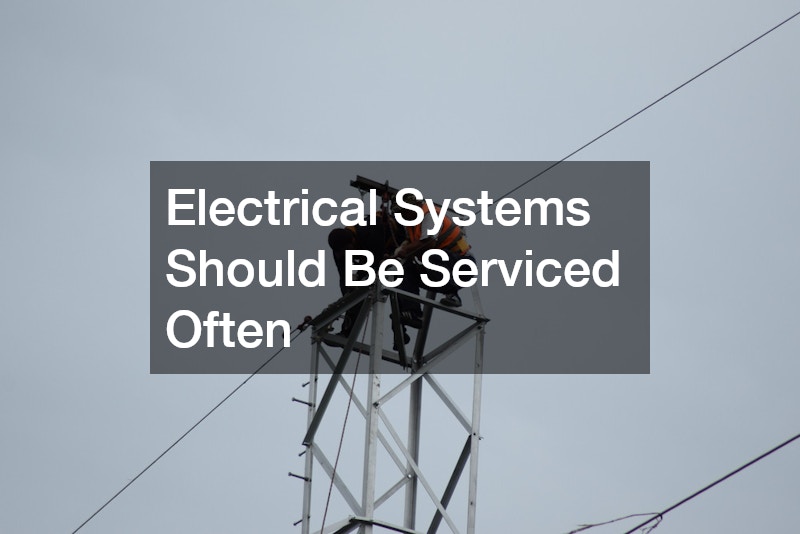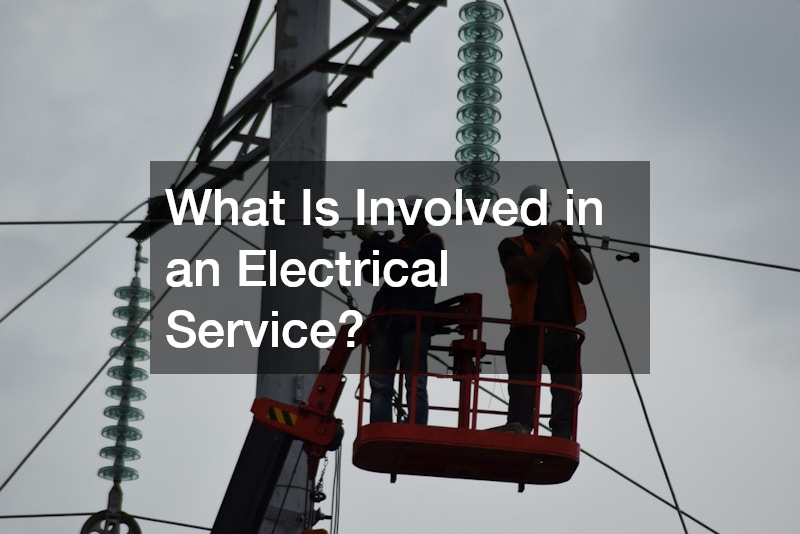
In our modern world, electricity is indispensable for nearly every aspect of life, powering our homes, workplaces, and critical infrastructure. This article aims to shed light on the intricacies involved in electrical services and why understanding these services is pivotal, not only for operational efficiency but also for ensuring safety. Whether it is for a residential setting or a commercial environment, electrical service involves a series of critical tasks designed to maintain system performance and prevent potential hazards.
Engaging with professional electrical services ensures that your electrical installations comply with safety regulations and standards, reducing the risk of electric shocks, fires, and other hazards. By maintaining a well-serviced electrical setup, you not only safeguard your property but also improve energy efficiency, contributing to a sustainable environment. This article will guide you through the components of a standard electrical service, the frequency of necessary service checks, how to detect common issues, and methods for selecting a qualified electrician.
Additionally, the article covers the financial aspects of electrical services, offering a comprehensive view of potential costs versus the benefits incurred from regular maintenance. Understanding these services is more than just a technical necessity; it is a proactive approach to managing your property wisely and ensuring the longevity of your electrical systems. Join us as we explore the world of electrical services through this informative guide.
1. What is Included in a Standard Electrical Service?
A standard electrical service usually encompasses a series of checks and tasks aimed at ensuring the safety and effectiveness of electrical systems. It involves inspecting wiring systems, circuit breakers, and panels to detect any signs of wear and tear or potential fault points. Electricians will typically examine outlets and switches to confirm they are functioning as intended, meet safety regulations, and are free from damage or overheating.
Another critical component of standard service is testing for electrical load capacity to ensure the system can handle the demands placed on it. This check helps in preventing overloading, which can lead to circuit breaker trips and potential fire hazards. Furthermore, service professionals also inspect and test smoke and carbon monoxide detectors, vital devices in safeguarding lives by providing early warning in case of fire or gas leaks.
The process may also include updating or replacing any outdated electrical components to improve system reliability and efficiency. Such upgrades can include switches, sockets, or entire panels if they no longer comply with current standards or exhibit signs of deterioration. Regular electrical service is a proactive measure that minimizes the likelihood of unexpected power failures or catastrophic system breakdowns.
2. How Often Should Electrical Systems be Serviced?
The frequency of electrical system servicing varies depending on several factors like the age of the system, the nature of usage, and the environment in which the system operates. As a general rule, it is recommended that residential properties undergo a comprehensive electrical check every 3 to 5 years. For commercial properties, which often experience higher load demands, more frequent checks could be necessary, sometimes annually, to ensure continuous, safe operation.
Factors such as frequent power trips, known electrical issues, and property renovations can necessitate more frequent inspections. Besides regular maintenance, timely checks become critical if there’s an observable malfunction, such as flickering lights or unexpected power outages. An efficient maintenance schedule helps in identifying potential problems long before they become serious hazards.
Moreover, getting electrical systems serviced at regular intervals helps maintain compliance with safety rules and regulations, often required by insurance policies. This compliance not only ensures reduced risk but can also influence insurance premiums favorably. Therefore, adhering to a disciplined service schedule can be financially beneficial as well as crucial for safety.
3. What Are the Common Electrical Issues Found During a Service?
During an electrical service, professionals often encounter several common issues that can compromise the safety of the electrical system. One such problem is faulty wiring, which poses significant risks, including electric shocks and fires. Wiring can degrade over time due to heat, mechanical damage, or environmental conditions, making its inspection crucial during servicing.
Additionally, overloaded circuits are frequently observed during routine checks. An overloaded circuit can cause overheating, leading to potential damage to appliances and increased fire risk. Symptoms such as frequently tripped circuit breakers or flickering lights often hint at such issues.
Loose connections and exposed wires are other prevalent findings. These can lead to power fluctuations, increased resistance in circuits, and potential sparking, all of which present fire hazards. Regular service checks are vital in detecting these issues early, allowing for prompt corrective measures to ensure system safety and reliability.
4. How to Choose a Qualified Electrician for Service?
Choosing the right electrician for your electrical service is critical to obtaining effective, safe, and compliant work. One of the first steps is to verify the credentials and licenses of potential electricians; this ensures that the professional meets the necessary regulatory and safety standards. Checking memberships in professional bodies or organizations can provide additional assurance of the electrician’s qualification and credibility.
Experience is another significant factor; an electrician with substantial experience will likely be more adept at handling complex issues that may arise during a service. References and reviews from previous clients can offer insights into the electrician’s track record, helping to set expectations for quality and reliability.
It’s also crucial to discuss the scope of work and obtain detailed estimates before the service begins. Transparent pricing, along with a clear explanation of services offered, can prevent misunderstandings and ensure that the service aligns with your expectations. Investing time in selecting a qualified electrician benefits your safety, system reliability, and overall satisfaction with the service.
5. What Are the Costs Involved in Electrical Services?
The cost of electrical services can vary greatly, influenced by factors such as the complexity of the work, the time taken, and the expertise required. For routine maintenance or inspections, costs may be relatively low, typically covering the basic labor and any minor parts required. However, should any significant repairs or upgrades be needed, costs can escalate depending on the materials and labor involved.
Understanding the fee structure can help manage financial expectations and plan accordingly. Some electricians charge an hourly rate, while others might offer flat-rate pricing for specific services. It’s beneficial to clarify these costs upfront to avoid unexpected expenses.
While the initial costs of electrical services might seem considerable, investing in regular maintenance can lead to long-term savings. Addressing minor issues before they escalate into major problems prevents costly repairs and enhances the longevity of your electrical infrastructure. Regular servicing also contributes to energy efficiency, potentially lowering energy bills through optimized system performance.
In conclusion, regular electrical servicing plays a pivotal role in maintaining the safety and efficiency of electrical systems, both in residential and commercial settings. By comprehensively understanding what an electrical service involves, how often such services should occur, and the potential costs, property owners can make informed decisions that benefit both safety and financial health. Hiring qualified electricians ensures that all aspects of electrical systems continue to operate safely and efficiently.
Regular electrical service checks are not merely a compliance obligation but a safeguard against unnecessary risks and expenses. By detecting and addressing issues proactively, the potential for more severe problems and costly repairs is minimized. Whether maintaining compliance with safety standards or improving energy efficiency, routine servicing is a vital part of property maintenance.
As electricity remains a cornerstone of modern life, its safe and efficient management is crucial. By prioritizing regular maintenance and hiring trusted professionals, property owners can protect their investments and ensure the continued safety and efficiency of their electrical systems. Always strive to stay informed and proactive when it comes to electrical servicing.