
- Establish an emergency fund: Set aside money specifically for unexpected home repairs to avoid financial stress.
- Start small and be consistent: Even modest monthly contributions grow over time into a substantial repair fund.
- Prioritize urgent repairs: Address issues like plumbing leaks, roof damage, and foundation cracks immediately to prevent further costs.
- Practice preventive maintenance: Regular inspections and upkeep can reduce the likelihood of costly emergencies, including home foundation repairs.
- Use automated savings and windfalls: Automate transfers to your repair fund and allocate bonuses or tax refunds to boost savings.
- Track and adjust your savings goal: Review your fund annually based on past expenses and home improvements.
- Consider extra protection: Explore home repair insurance to supplement your emergency fund for added financial security.
Owning a home comes with great pride but also with responsibilities—especially when it comes to unexpected repairs. Emergencies like roof leaks, plumbing failures, or foundation damage can strike at any time, often costing thousands of dollars. Without a financial cushion, these situations can create serious stress and disrupt your household budget.
The good news is that with careful planning and disciplined saving, homeowners can prepare for emergencies and minimize financial strain. Setting aside funds specifically for emergency repairs ensures that you can tackle issues promptly, prevent further damage, and maintain the safety and comfort of your home. This article explores practical ways to save money for emergency home repairs and protect your property before disaster strikes.
Why You Need an Emergency Home Repair Fund

Unexpected repairs can quickly drain your savings if you’re unprepared. From burst pipes to electrical problems, the cost of emergency repairs often exceeds typical household budgets. By establishing a dedicated fund, you create a financial buffer that allows you to handle repairs without stress.
An emergency fund also enables homeowners to make timely decisions. For instance, addressing a minor leak immediately can prevent larger issues like mold growth or structural damage, including costly home foundation repairs. Planning ahead ensures that you aren’t forced to choose between essential repairs and other living expenses, giving you peace of mind throughout the year.
How Much Should You Save for Home Emergencies?
Determining the right amount to save depends on your home’s size, age, and general condition. Experts often recommend saving 1% to 3% of your home’s value annually for maintenance and unexpected repairs. For example, if your home is valued at $300,000, you might aim to save between $3,000 and $9,000 per year.
Start small if this seems daunting. Even setting aside $50 to $100 per month builds a substantial fund over time. The key is consistency: regular contributions accumulate quickly, ensuring you’re financially prepared when emergencies arise.
Practical Strategies to Save Money for Emergency Home Repairs
Saving for home repairs doesn’t have to be overwhelming. Implementing small, practical strategies can make a big difference over time.
1. Set Up a Separate Savings Account
Set aside your emergency repair savings in a dedicated account, separate from your regular checking or spending funds. This helps prevent accidental use for everyday expenses and allows you to clearly monitor your savings growth.
2. Automate Your Savings
Automated transfers from your checking account to your repair fund make saving effortless. Treat it like a monthly bill, ensuring you consistently build your reserve.
3. Cut Unnecessary Expenses
Review your monthly expenses to identify areas where you can cut back. Redirect the saved money to your emergency fund instead of spending it on non-essential items.
4. Use Windfalls Wisely
Tax refunds, bonuses, or extra income can boost your fund quickly. Consider allocating a portion—or all—of these windfalls toward your home repair savings.
How to Prioritize Repairs Without Breaking the Bank
Not all home repairs require immediate attention, but emergencies should always take priority. Learn to differentiate between urgent issues and routine maintenance.
- Emergency Repairs: These include plumbing leaks, electrical hazards, roof damage, and structural problems like foundation cracks. They need immediate attention to prevent further damage.
- Routine Maintenance: Tasks such as painting, lawn care, or minor appliance upkeep can be scheduled when convenient, allowing you to manage your budget more effectively.
By prioritizing emergency repairs, you protect your home and prevent small issues from turning into costly problems. This proactive approach reduces the likelihood of needing large, sudden expenses.
Can Preventive Maintenance Help You Save Money?
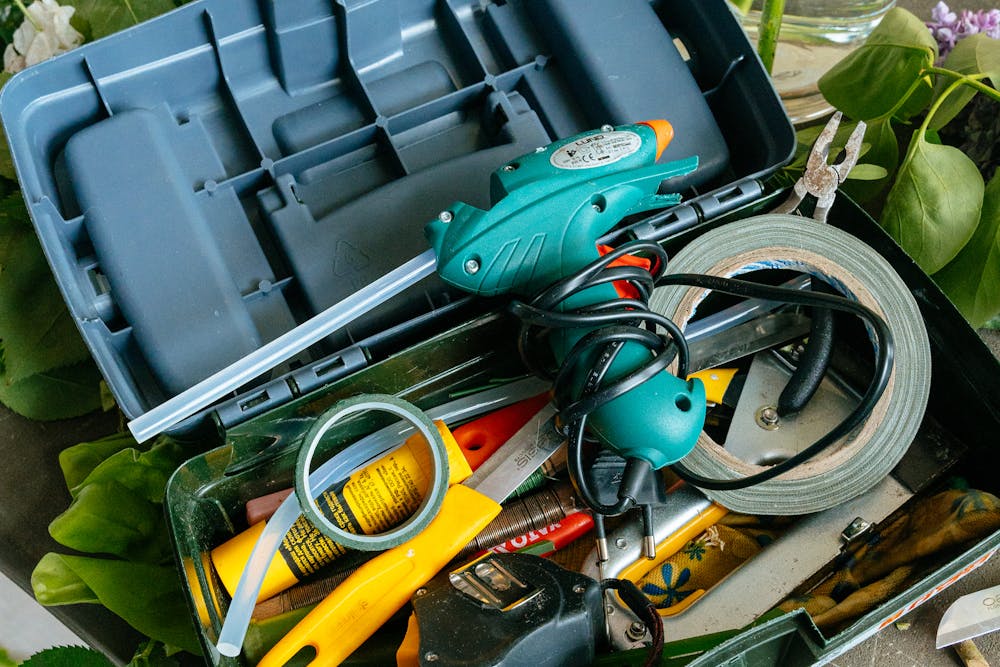
Absolutely. Regular inspections and maintenance can significantly reduce emergency repair costs. Checking for leaks, inspecting the roof, cleaning gutters, and monitoring foundation health can prevent serious damage. Preventive actions help avoid expensive issues such as mold growth, water damage, or extensive home foundation repairs.
Investing a little time and money in prevention is often far cheaper than paying for emergency repairs. Additionally, preventive maintenance extends your home’s lifespan, maintaining its value over the years.
Final Tips to Stay Prepared
- Track Expenses: Keep a record of past repairs to anticipate future costs and adjust your savings accordingly.
- Prioritize High-Risk Areas: Pay attention to the roof, plumbing, electrical systems, and foundation, as these areas are prone to emergencies.
- Review Your Savings Goal Annually: Adjust your target based on inflation, home improvements, and unexpected repairs.
- Consider Home Repair Insurance: Some insurance policies cover specific home emergencies, providing an extra layer of financial protection.
Conclusion
Saving money for emergency home repairs is an essential step in responsible homeownership. By establishing a dedicated fund, automating savings, and practicing preventive maintenance, you can handle unexpected issues without financial stress. Proactive planning not only safeguards your home but also ensures that emergencies—whether a burst pipe or foundation repair—do not disrupt your life or finances. Start today, and your future self will thank you.